
Alcohol and Prescription Drugs: Dangerous Interaction Effects
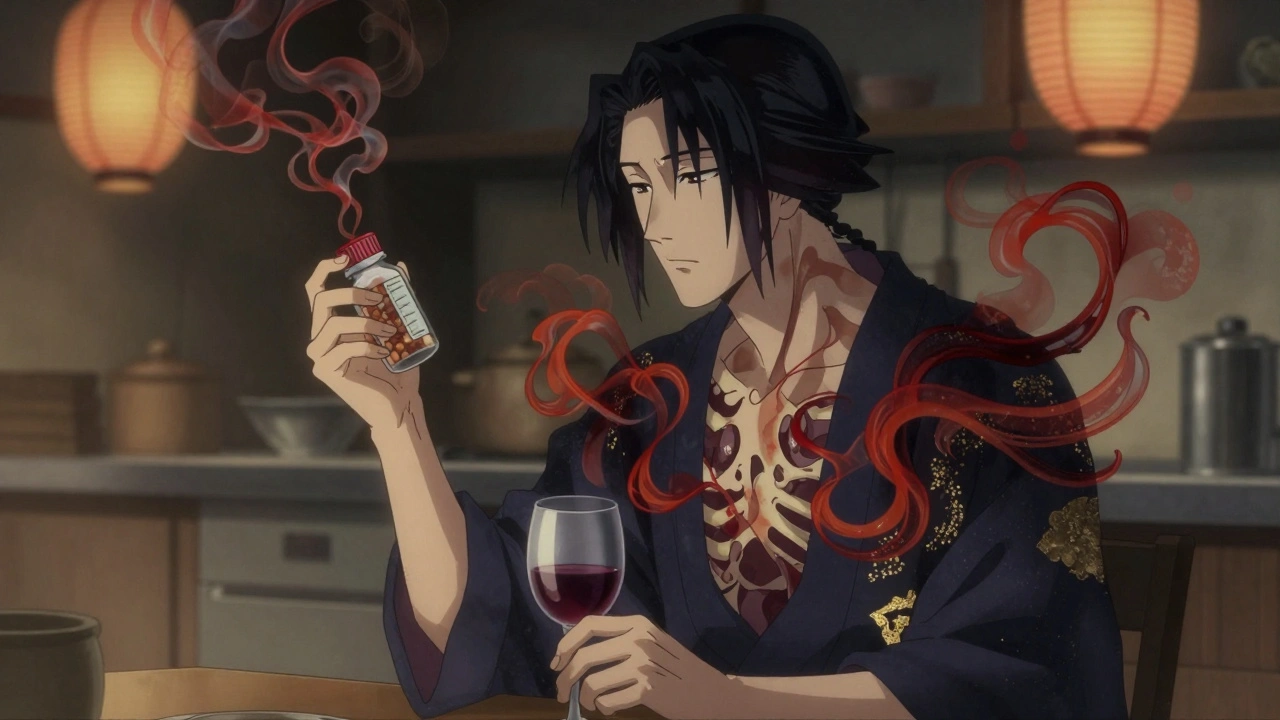
It’s not just about getting drunk. When you mix alcohol with prescription medications, you’re playing Russian roulette with your body. Even one drink can turn a safe drug into a silent killer. This isn’t theoretical. Every year, over 2,300 Americans die from alcohol-drug interactions - and most of them had no idea they were at risk.
Why Alcohol and Prescription Drugs Don’t Mix
Alcohol doesn’t just make you sleepy. It changes how your body handles medicine. There are two main ways this happens. One is through your liver. That’s where both alcohol and most prescription drugs get broken down. When you drink, your liver gets busy processing alcohol - and that slows down or speeds up how fast your meds work. Sometimes, the drug builds up to toxic levels. Other times, it gets flushed out too fast and stops working. The second way is more dangerous. Alcohol and certain drugs both slow down your brain. When you combine them, the effect isn’t just added - it’s multiplied. Think of it like pressing the brake and the gas at the same time. Your body doesn’t know what to do. Your breathing slows. Your heart rate drops. You pass out. And if you’re alone? You might not wake up.The Deadliest Combinations
Some medications are fine with a glass of wine. Others? Never. The worst offenders are opioids and benzodiazepines. Opioids like oxycodone, hydrocodone, and morphine are prescribed for pain. But when you add alcohol, your risk of fatal respiratory depression jumps six times higher. The CDC found that alcohol-opioid combinations caused 26% of all prescription drug overdose deaths in 2022. And you don’t even need to be drunk. A blood alcohol level of just 0.02% - that’s one standard drink - doubles your chance of a fatal crash if you’re on opioids. Benzodiazepines like Xanax, Valium, and lorazepam are used for anxiety and sleep. Alcohol makes them work faster and stronger. Studies show the sedation effect increases by 400% when you mix them. For older adults, this means a 50% higher chance of falling. And falls in seniors often lead to broken hips, long hospital stays, or death.Other High-Risk Medications
It’s not just opioids and sedatives. Other common prescriptions carry hidden dangers. Acetaminophen (Tylenol) is in hundreds of over-the-counter and prescription products. With alcohol, it becomes a liver toxin. Regular drinkers who take acetaminophen have a 1 in 200 chance of sudden liver failure - even if they take the right dose. The FDA issued a safety alert in 2020 after seeing this pattern repeat across emergency rooms. NSAIDs like ibuprofen and naproxen are common for pain and inflammation. But with alcohol, they can cause stomach bleeding. Heavy drinkers who take NSAIDs are three times more likely to bleed internally than those who avoid alcohol. That’s not a typo. Three times. Antidepressants like SSRIs (Prozac, Zoloft) don’t cause fatal interactions like opioids do. But they make you drowsy. And if you’re over 65, that drowsiness doubles your fall risk. One study found 35% of older adults on SSRIs felt dangerously sleepy after just one drink. Beta-blockers like propranolol, used for high blood pressure and heart conditions, become less effective when you drink regularly. Chronic drinkers see up to a 50% drop in drug effectiveness. At the same time, alcohol makes the drug’s side effects worse - dizziness, low blood pressure, fainting.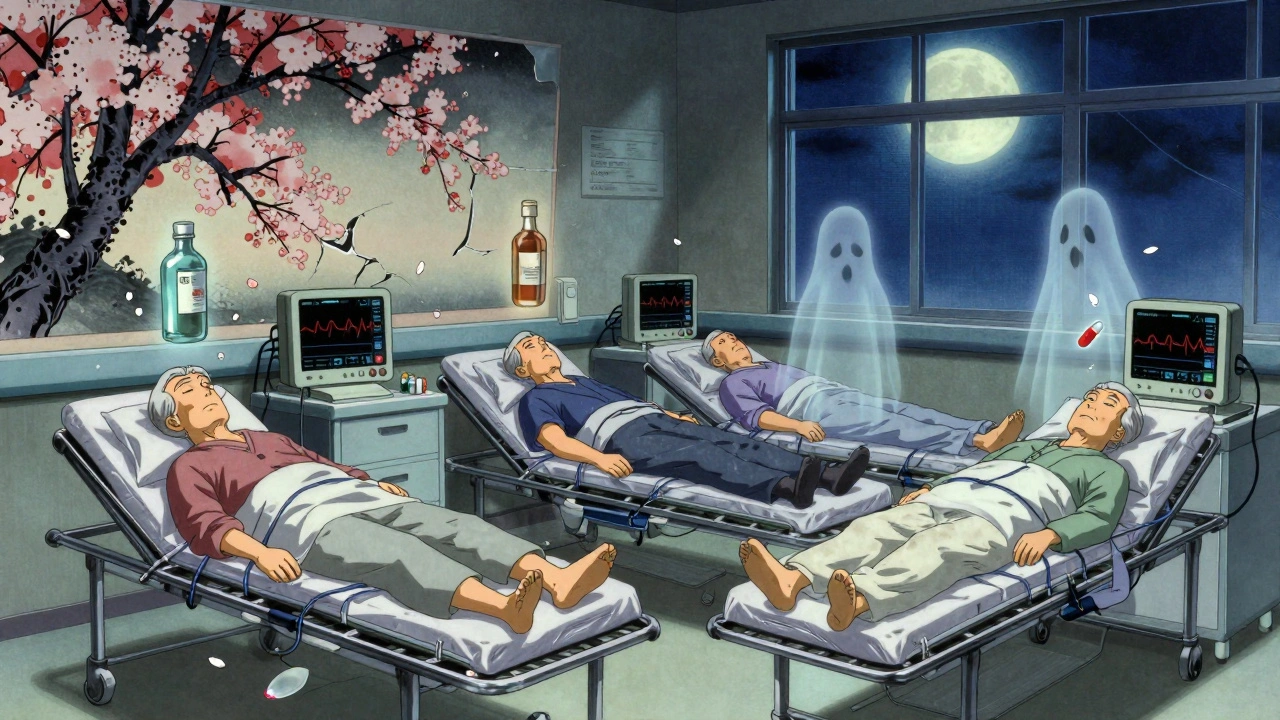
Who’s Most at Risk?
It’s not just about how much you drink. Your body matters too. People over 65 are 3.2 times more likely to have severe reactions. Why? Their livers process alcohol and drugs slower. Their brains are more sensitive to sedatives. And they’re more likely to be on multiple prescriptions. Women face a 20% higher risk than men. That’s because women have less body water. Alcohol concentrates more in their blood. Same drink. Higher dose. People with liver disease? Their risk is five times higher when mixing alcohol with acetaminophen or other liver-metabolized drugs. Their liver is already damaged. Adding alcohol is like pouring gasoline on a fire.What No One Tells You
Most patients don’t know they’re at risk. A study of 12,450 patients found 68% were never warned about alcohol interactions when prescribed benzodiazepines. One Reddit user shared: “Prescribed oxycodone after wisdom teeth surgery. No warning about alcohol. Had two beers. Couldn’t breathe for 20 minutes.” Doctors often don’t ask. Pharmacists are better, but not always involved. Only 38% of benzodiazepine prescriptions even have an alcohol warning on the label. That’s not a mistake - it’s the system. Meanwhile, patients believe myths. A WebMD survey found 57% think “one drink is safe with most medications.” And 32% believe only hard liquor is dangerous. That’s wrong. Beer, wine, liquor - they all contain ethanol. And ethanol is the problem.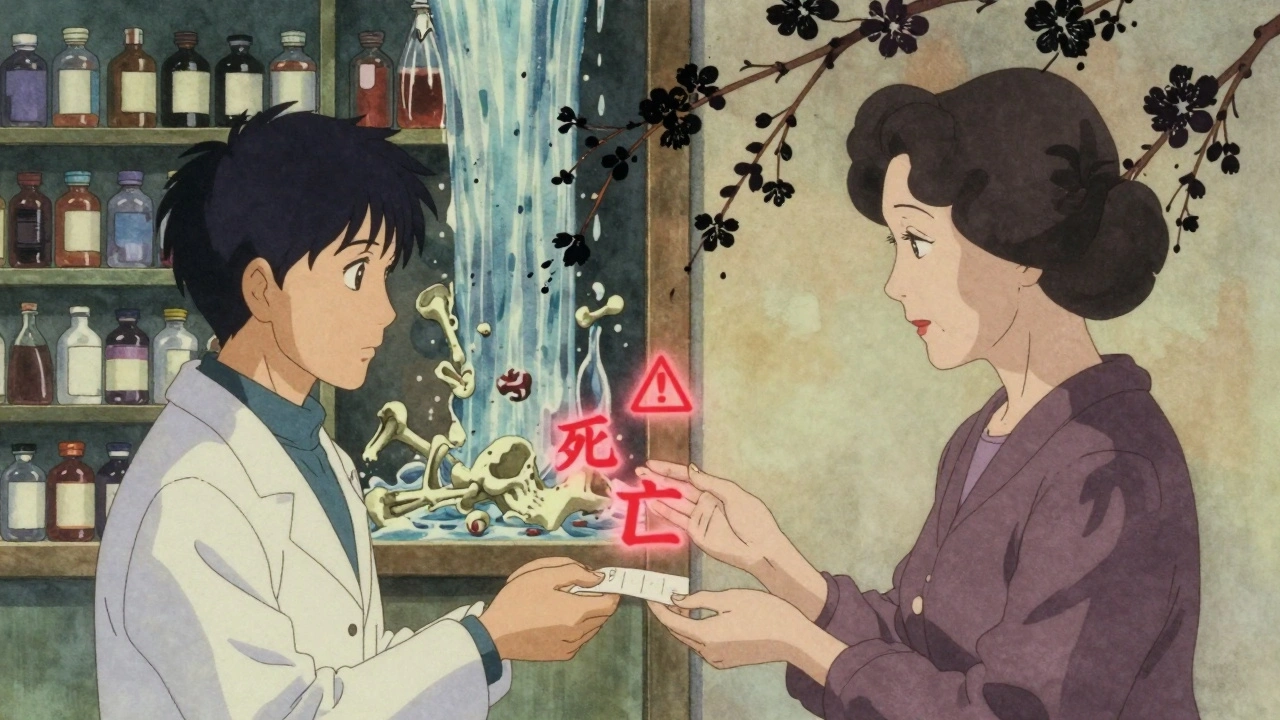
What You Can Do
You don’t need to be a doctor to protect yourself. Here’s how:- Check the label. Look for the word “alcohol” or “avoid alcohol.” If it’s there, don’t drink.
- Ask your pharmacist. They’re the experts. Bring your list of meds and tell them how much you drink. Use the 4-question screening tool: Do you drink? How often? How much? Have you ever felt sick after mixing alcohol and meds?
- Use the NIAAA Alcohol Medication Check app. It cross-references over 2,300 medications. Free. Instant. No login needed.
- Don’t assume “light” drinking is safe. One drink a day with certain meds can still cause dizziness, falls, or liver damage.
- Carry a list of your meds. If you end up in the ER, they need to know everything you’re taking - including supplements and over-the-counter pills.
What’s Changing
The system is starting to wake up. The FDA now requires “ALCOHOL WARNING” labels on high-risk prescriptions. Hospitals are using AI tools that flag interactions before a prescription is filled. In VA hospitals, 89% now screen every patient for alcohol use. In private clinics? Only 32%. New tools are coming. In 2024, Epic Systems rolled out an AI model that predicts your personal risk based on age, weight, liver function, drinking habits, and meds. It’s 89% accurate. But it won’t help if your doctor doesn’t use it. The CDC’s 2023-2025 plan aims to cut alcohol-medication deaths by half. That means mandatory training for doctors, better labeling, and public awareness campaigns. But change moves slowly.The Hard Truth
The science is clear. Alcohol and prescription drugs don’t mix. Not even a little. And the consequences aren’t just medical - they’re personal. A fall. A coma. A funeral. A family left wondering why no one warned them. You don’t have to be an addict to be in danger. You just have to be human. And human beings forget. Or assume. Or think “it won’t happen to me.” But it already has. Thousands of times. And it will again - unless you stop it.Next time you pick up a prescription, ask: “Does this interact with alcohol?” Don’t wait for the label. Don’t wait for the doctor to bring it up. Ask. Now.
Can I have one drink with my prescription medication?
It depends on the medication. With opioids, benzodiazepines, or acetaminophen - no, even one drink can be deadly. With some antibiotics or allergy meds, one drink may be okay. But you can’t guess. Always check with your pharmacist or doctor. The safest answer for high-risk drugs is always: no alcohol at all.
Do over-the-counter meds like Tylenol interact with alcohol?
Yes. Acetaminophen (Tylenol) and alcohol together create a toxic chemical in your liver that can cause sudden liver failure. This isn’t rare. The FDA says 1 in 200 regular drinkers who take acetaminophen develop acute liver damage. Even if you’re not a heavy drinker, taking Tylenol after a glass of wine every night adds up over time.
Why don’t doctors always warn patients about alcohol interactions?
Many don’t know the full list of risky combinations. A 2023 study found 43% of primary care doctors couldn’t correctly identify all high-risk medications. Others assume patients won’t drink. Some don’t have time. But the biggest reason? There’s no legal requirement to warn patients in most cases. Only 38% of benzodiazepine prescriptions even have an alcohol warning on the bottle. That’s a system failure - not a patient one.
Is it safe to drink the day before or after taking a prescription?
For most high-risk drugs, yes - but only if you’ve fully cleared the medication from your system. Opioids and benzodiazepines can stay in your body for days. For example, diazepam (Valium) can linger for up to 10 days. If you’re on long-term meds, your body builds up a tolerance. That doesn’t mean it’s safe. Always ask your pharmacist how long the drug stays active. When in doubt, wait.
Can I use apps to check if my meds interact with alcohol?
Yes. The NIAAA’s free "Alcohol Medication Check" app lets you scan or search over 2,300 medications. It tells you the risk level (low, moderate, high) and what symptoms to watch for. GoodRx and WebMD also have interaction checkers, but NIAAA’s is backed by federal health data and updated monthly. Use it before you take any new prescription.
Taya Rtichsheva
December 8, 2025 AT 02:32Tiffany Sowby
December 9, 2025 AT 16:16Shubham Mathur
December 10, 2025 AT 07:48Stacy Tolbert
December 10, 2025 AT 20:12Ryan Brady
December 11, 2025 AT 11:20Raja Herbal
December 12, 2025 AT 21:28Rich Paul
December 13, 2025 AT 05:49Ruth Witte
December 13, 2025 AT 14:58