
Chronic Pancreatitis: Managing Pain, Enzyme Therapy, and Nutrition

Imagine a fire burning in your upper abdomen that never truly goes out. For the 50 per 100,000 people living with chronic pancreatitis in Western countries, this is daily reality. This progressive inflammatory disease destroys the pancreas over time, leading to irreversible damage. The result? Severe abdominal pain affects 80-90% of patients, alongside digestive failures and potential diabetes. It’s not just a stomach ache; it’s a complex condition requiring a precise mix of medication, dietary changes, and sometimes surgery.
You might be asking why standard painkillers don’t work or why you feel full after eating just a few bites. The answer lies in how the pancreas functions-or fails to function. As the organ scars, it stops producing enough enzymes to digest food and insulin to regulate blood sugar. Understanding these mechanisms is the first step toward managing the symptoms effectively. Let’s break down the three pillars of care: controlling the pain, replacing missing enzymes, and fixing your nutrition.
Taming the Pain: A Stepwise Approach
Pain is the most debilitating symptom of chronic pancreatitis, impacting quality of life more than any other factor. The good news? You don’t have to suffer through it blindly. Medical guidelines recommend a "stepwise" approach, starting mild and escalating only as needed. This prevents unnecessary side effects and addiction risks while targeting the specific type of nerve pain often associated with pancreatic inflammation.
- First-Line Relief: Acetaminophen (paracetamol) up to 4,000 mg/day is the starting point. Studies show it reduces pain by 30-40% in mild cases. It’s safe for long-term use if liver health is monitored.
- Neuromodulators: If acetaminophen isn’t enough, doctors often prescribe gabapentin or pregabalin. These aren’t traditional painkillers; they calm overactive nerves. Gabapentin starts at 100-300 mg daily and can be titrated up to 3,600 mg. Clinical trials indicate a 40-50% reduction in neuropathic pain components for many patients.
- Antidepressants for Pain: Tricyclic antidepressants like amitriptyline (10-75 mg/day) may sound counterintuitive, but they are highly effective for chronic pain pathways. Meta-analyses show efficacy in 50-60% of patients.
- Opioids (With Caution): Tramadol is considered the most effective oral opioid for moderate-to-severe pain. However, about 30% of patients eventually require stronger opioids. This is approached with extreme caution due to the high risk of dependence-up to 25-30% of long-term users develop addiction. Always discuss non-opioid alternatives first.
If medications fail, interventional options exist. A celiac plexus block involves injecting alcohol or steroids near the nerves supplying the pancreas. This provides temporary relief for 50-60% of patients, lasting 3-6 months. For severe, refractory cases, surgical procedures like the Frey procedure or total pancreatectomy with islet autotransplantation (TPIAT) offer higher success rates (70-90% pain relief) but come with significant risks and lifelong consequences like insulin dependence.
Enzyme Replacement Therapy (PERT): Digestion Support
When your pancreas can’t produce enough digestive enzymes, food passes through you undigested. This leads to weight loss, fatty stools (steatorrhea), and vitamin deficiencies. Pancreatic Enzyme Replacement Therapy (PERT) is the cornerstone treatment for exocrine pancreatic insufficiency.
PERT involves taking capsules containing lipase, protease, and amylase with every meal and snack. The goal is to mimic natural digestion. Here’s how to get it right:
- Dosing Matters: Guidelines recommend 25,000-80,000 lipase units per main meal. Higher doses (40,000-50,000+ units) are often needed for larger, fattier meals. Under-dosing leads to continued malabsorption; over-dosing offers no extra benefit and increases cost.
- Timing is Everything: Take enzymes with the first bite of food. Taking them too early means they pass through before food arrives; too late means digestion has already started without help.
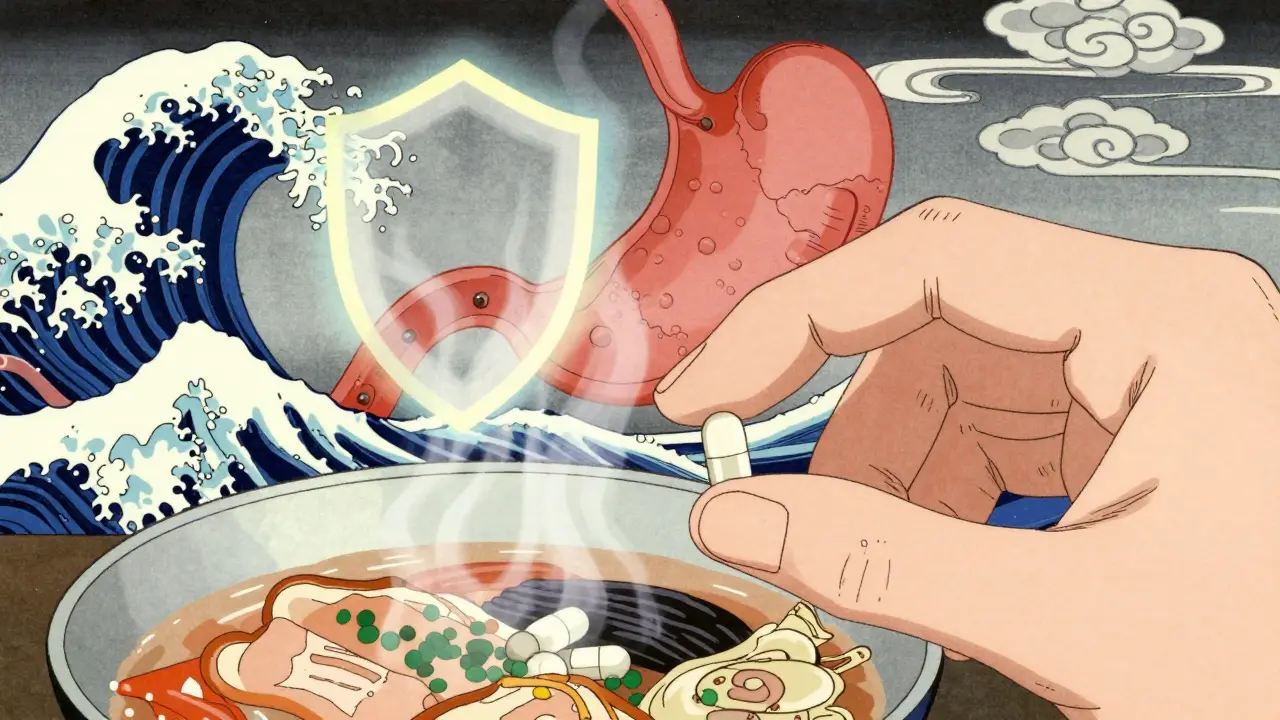
- Acid Suppression: Stomach acid can destroy enzymes before they work. Doctors often prescribe proton pump inhibitors (PPIs) like omeprazole (20-40 mg daily) to raise stomach pH, protecting the enzymes. This is especially critical if using non-enteric coated formulations.
Does PERT help with pain? Surprisingly, yes. High-dose PERT has been shown to reduce pain scores in 45% of patients compared to 25% on placebo. The theory is that suppressing feedback loops from the intestine to the pancreas reduces pressure and inflammation. Brands like Creon®, Zenpep®, and Pancreaze® dominate the market, though costs can range from $300 to $1,200 USD monthly depending on insurance coverage.
Nutrition: Fueling Without Agony
Eating with chronic pancreatitis feels like walking a tightrope. Too much fat causes pain; too little leads to malnutrition. The old advice was strictly low-fat, but modern guidelines are more nuanced.
While a low-fat diet (40-50g fat/day) helps 60-70% of patients manage pain triggers, it’s not a universal cure. Some patients tolerate normal fat intake if they take adequate PERT. The key is individualization. Work with a dietitian to find your threshold.
Key Nutritional Strategies:
- Medium-Chain Triglycerides (MCTs): Unlike regular fats, MCTs don’t require pancreatic enzymes for absorption. They bypass the lymphatic system and go straight to the liver for energy. Supplementing with MCT oil or using specialized formulas like Peptamen® can provide calories without triggering pain. Studies show a 30% reduction in pain scores with MCT supplementation over 10 weeks.
- Antioxidant Cocktails: Chronic inflammation depletes antioxidants. A specific combination-selenium (100 mcg), beta-carotene (1.5 mg), vitamin C (180 mg), vitamin E (90 mg), and methionine (400 mg)-has been shown to reduce pain in 52% of patients in clinical trials. This isn’t just general wellness; it’s targeted therapy.
- Vitamin Monitoring: Fat-soluble vitamins (A, D, E, K) are poorly absorbed in CP. Deficiencies occur in 50-70% of patients. Regular blood tests and supplemental forms (like water-soluble vitamin E) are essential to prevent bone density loss and bleeding issues.
- Small, Frequent Meals: Eating six small meals instead of three large ones reduces the workload on your pancreas at any given time, minimizing pain spikes.
Don’t forget hydration. Dehydration worsens pain and complicates medication metabolism. Aim for consistent water intake throughout the day.
The Diabetes Connection: Type 3c
As the pancreas scars, it loses its ability to produce insulin. Up to 50% of chronic pancreatitis patients develop pancreatic diabetes, known as Type 3c. Unlike Type 2 diabetes, which is linked to insulin resistance, Type 3c is caused by absolute insulin deficiency.
This requires careful management. Patients are prone to both highs and lows because the pancreas also stops producing glucagon, the hormone that raises blood sugar. Insulin therapy is often necessary, but doses must be adjusted based on food intake and enzyme effectiveness. Working with an endocrinologist who understands pancreatic diabetes is crucial to avoid dangerous hypoglycemic episodes.

Lifestyle Changes That Actually Help
No amount of medication will fix chronic pancreatitis if you continue damaging the organ. Two factors stand out above all else:
| Factor | Risk Increase | Benefit of Cessation |
|---|---|---|
| Alcohol Consumption | Primary cause in 70% of cases | Improves pain control in 40-50% of patients within 6 months |
| Tobacco Use | Increases risk by 2-3 fold independently | Slows disease progression and reduces cancer risk |
| Yoga/Mindfulness | N/A | 35% improvement in quality-of-life scores with biweekly practice |
Complete abstinence from alcohol is non-negotiable. Even small amounts can trigger inflammation and pain. Smoking cessation is equally vital, as tobacco toxins directly damage pancreatic ducts. Beyond avoiding harm, complementary therapies like yoga have shown promise. A University of Pittsburgh study found that biweekly yoga practice improved quality-of-life scores by 35%, likely by reducing stress-induced pain perception.
When to Seek Immediate Care
Chronic pancreatitis can flare up acutely. Watch for red flags that require emergency attention:
- Sudden, severe abdominal pain radiating to the back
- Fever and chills (signs of infection)
- Persistent vomiting preventing fluid intake
- Yellowing of skin or eyes (jaundice)
- Confusion or extreme fatigue (possible diabetic ketoacidosis)
Early intervention can prevent complications like pancreatic necrosis or abscesses. Don’t wait for the pain to become unbearable.
How long does it take for enzyme therapy to start working?
You should notice improvements in digestion, such as reduced fatty stools and bloating, within a few days to a week of starting proper dosing. However, optimizing the dose often takes 4-6 weeks of trial and error with your doctor. Pain relief, if it occurs, may take longer, typically several weeks to months.
Can chronic pancreatitis be reversed?
No, the scarring and structural damage in chronic pancreatitis are irreversible. However, the progression can be halted by stopping alcohol and smoking. Symptoms like pain and malabsorption can be effectively managed, allowing many patients to live relatively normal lives.
Is a low-fat diet always necessary?
Not always. While a low-fat diet helps many patients manage pain, others tolerate normal fat intake if they take sufficient pancreatic enzymes. The best approach is individualized. Start low and gradually increase fat intake while monitoring symptoms, under the guidance of a dietitian.
What are the side effects of long-term opioid use for pancreatitis pain?
Long-term opioid use carries significant risks, including physical dependence (affecting 25-30% of patients), tolerance (needing higher doses for the same effect), constipation, nausea, and hormonal changes. Due to these risks, opioids are reserved for severe cases when other treatments fail, and non-opioid alternatives are prioritized.
How do I know if I have pancreatic diabetes (Type 3c)?
Symptoms include frequent urination, excessive thirst, unexplained weight loss, and fatigue. Diagnosis involves blood glucose testing and HbA1c levels. Because Type 3c differs from Type 1 and 2 diabetes, consult an endocrinologist for specialized management, particularly regarding insulin and glucagon balance.