
How to Pack Medication for International Travel: Rules, Docs & Tips
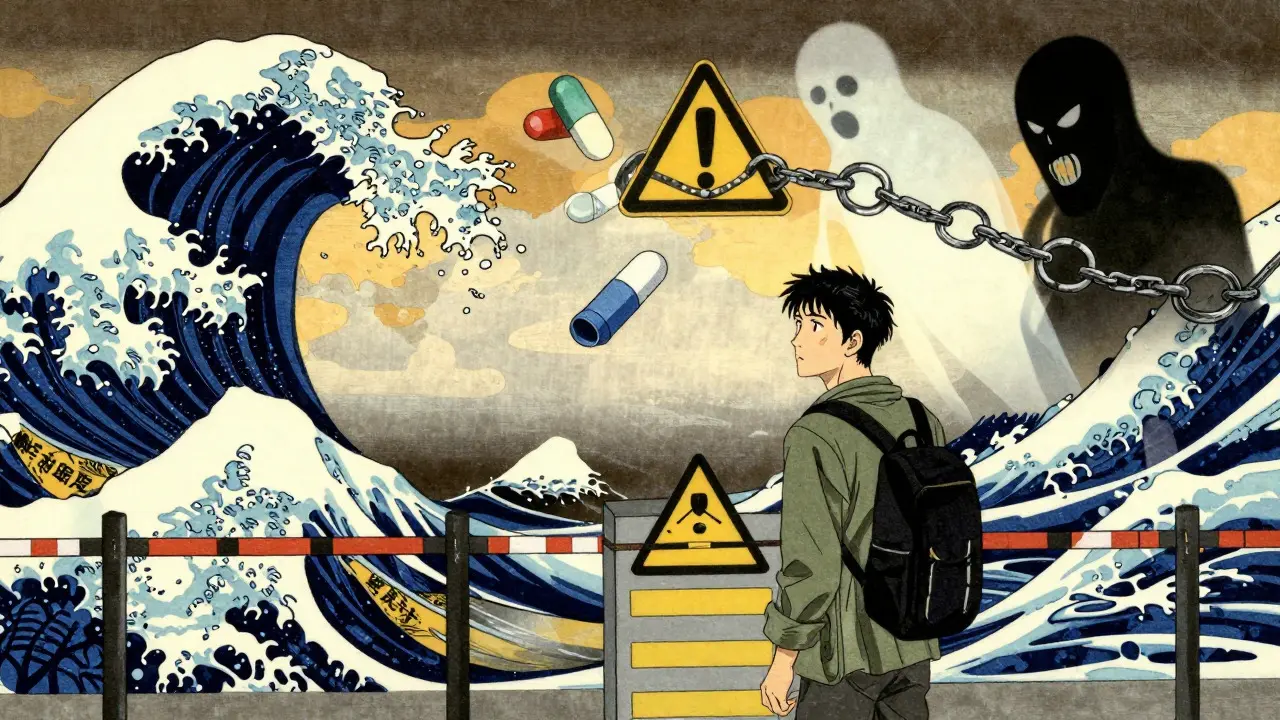
You have your passport, your boarding pass, and a fully packed suitcase. But there is one item that can still get you detained at customs if you mess it up: your daily medication. Whether you take insulin for diabetes, alprazolam for anxiety, or simple pseudoephedrine for congestion, the rules change the moment you cross an international border. What is legal in your home country might be a criminal offense in your destination.
Getting enough medication before international travel is not just about buying extra pills. It is a regulatory minefield. In 2023, 93 million Americans traveled internationally, yet only 87 of 193 UN member states provide clear guidelines on traveler medications to the International Narcotics Control Board (INCB). This lack of clarity leads to real-world consequences. The CDC reports that 12-15% of travelers face medication-related issues, ranging from confiscation to arrest. For the 50% of American adults managing chronic conditions, these aren't just inconveniences; they are health emergencies waiting to happen.
Why Your Home Prescription Isn't Enough Abroad
The core problem is regulatory fragmentation. There is no global standard for what counts as a "personal supply" of medication. While the U.S. Customs and Border Protection (CBP) generally allows a 90-day supply for personal use, other countries have stricter or completely different definitions. More importantly, many common medications contain ingredients that are controlled substances elsewhere.
Consider the following high-risk categories identified by the CDC Yellow Book:
- Narcotics: Hydrocodone and oxycodone are heavily restricted globally.
- Sedatives: Alprazolam (Xanax) and diazepam (Valium) often require special permits.
- Sleep Aids: Zolpidem (Ambien) has led to detentions in countries like Thailand.
- ADHD Medications: Amphetamines and dextroamphetamine are banned in many Asian and Middle Eastern nations.
- Decongestants: Pseudoephedrine is prohibited in Japan and several other countries due to its potential use in manufacturing methamphetamine.
The stakes are high. The U.S. Department of State has documented cases where travelers faced 72-hour detention in Thailand for carrying zolpidem without proper paperwork. In the United Arab Emirates, possessing codeine-containing products can result in a five-year prison sentence. These aren't rare outliers; they are the reality of traveling with controlled substances in a fragmented legal landscape.
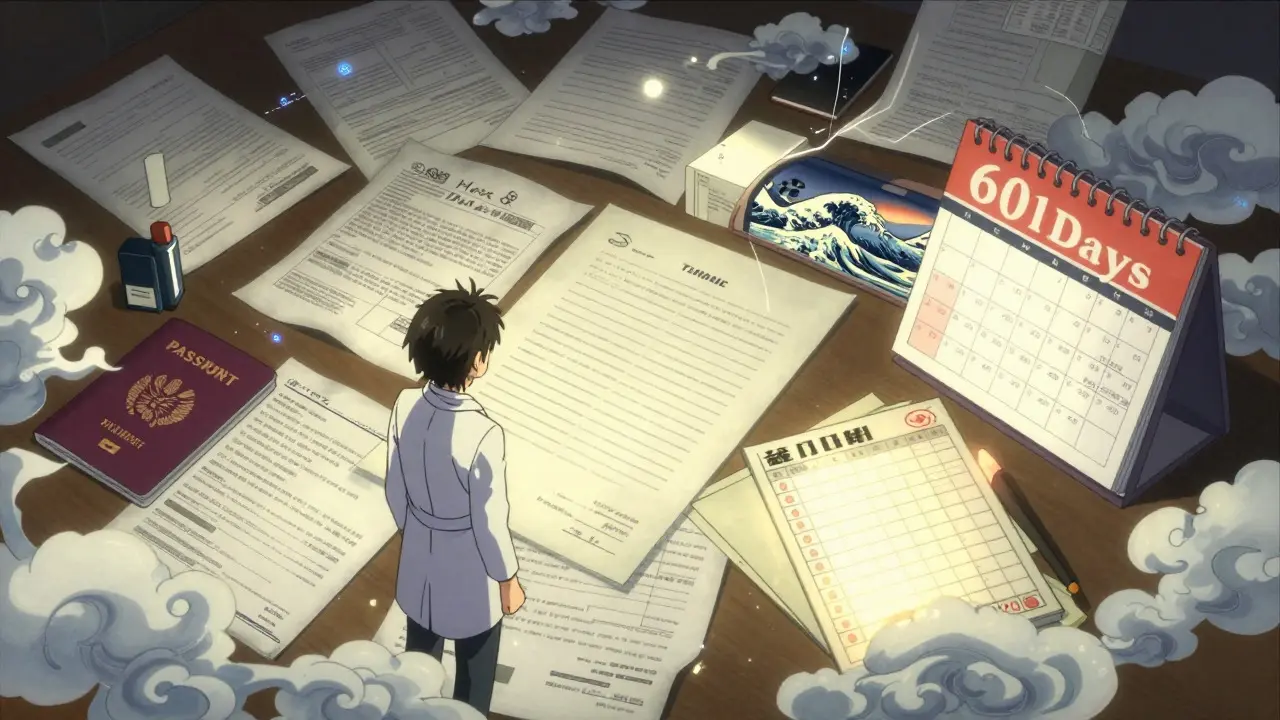
The 60-Day Rule: When to Start Planning
If you think you can handle this a week before your flight, think again. The International Society of Travel Medicine recommends contacting your destination's embassy at least 60 days before travel. Why so early? Because bureaucracy moves slowly. Securing import permits, getting documents notarized, and verifying medication legality takes time.
Dr. Jane Chen, Director of the CDC's Travelers' Health Branch, emphasizes that determining medication requirements before travel is advisable because even legal U.S. meds may be prohibited elsewhere. In 2024 alone, there were 23 documented cases of travelers facing legal consequences for medications containing codeine simply because they didn't check local laws.
Here is why the timeline matters:
- Research (Day 60): Check the INCB Country Regulations database for your destination.
- Embassy Contact (Day 45): Email or call the embassy to ask specific questions about your medication.
- Doctor Consultation (Day 30): Get a letter from your prescribing physician detailing your condition, dosage, and generic drug names.
- Documentation (Day 14): Obtain any required government permits or International Certificates for Medicinal Products (ICMP).
- Packing (Day 3): Organize meds in original containers with labels.
According to the ISOTM's 2024 Global Medication Compliance Survey, 78% of medication-related entry denials could have been prevented with this kind of advance planning.
What You Need to Carry: Documentation Essentials
Your prescription bottle label is helpful, but it is rarely sufficient on its own. You need a paper trail that proves three things: you have a legitimate medical need, the medication was prescribed by a licensed doctor, and you are carrying it for personal use only.
Start with a letter from your doctor. This letter should include:
- Your full name and date of birth.
- The doctor's contact information and license number.
- A description of your medical condition.
- The generic names of all medications (brand names vary by country).
- The exact dosage and frequency.
- A statement confirming the medication is necessary for your health during travel.
For controlled substances, some countries require this letter to be notarized. Thailand, for example, mandates notarized doctor's letters for all prescription medications. Saudi Arabia requires Ministry of Health import permits for all meds. Don't assume your U.S. prescription is valid; it isn't.
Additionally, consider obtaining an International Certificate for Medicinal Products (ICMP). About 68% of U.S. pharmacies can provide this document, though it costs between $25 and $40. This certificate verifies that your medication is genuine and prescribed legally in your home country, which can smooth interactions with foreign customs officials.
Packing Smart: Liquids, Needles, and Carry-Ons
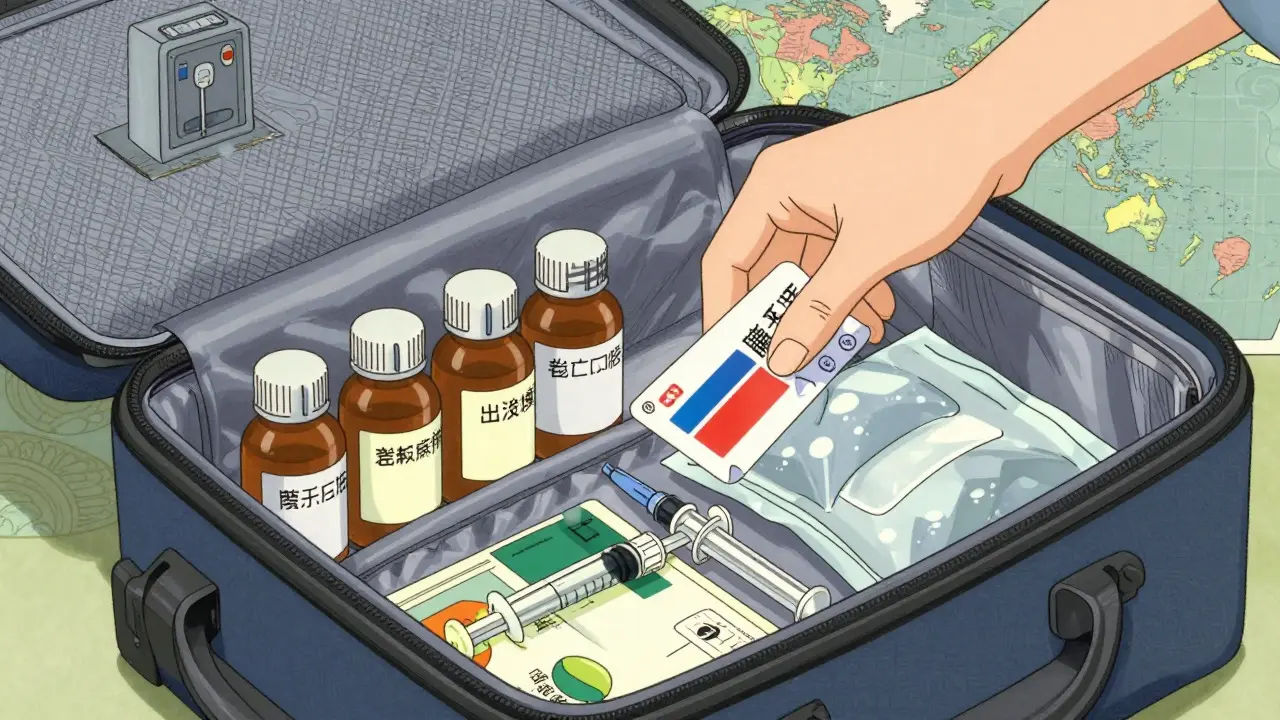
Once you have the paperwork, you need to pack correctly. The golden rule is simple: never check your medication. If your luggage gets lost, delayed, or stolen, you are stranded without your treatment. Always carry medications in your carry-on bag.
This creates challenges with liquids and needles. The Transportation Security Administration (TSA) allows medically necessary liquids exceeding the standard 3.4-ounce limit, but you must declare them at security checkpoints. According to TSA Directive 1544.4 (effective January 2025), these items are permitted but subject to additional screening. Bring ice packs if needed, but note that they may also be inspected.
For those using injectables like insulin or epinephrine auto-injectors:
- Carry syringes and needles in their original packaging if possible.
- Bring a doctor's note specifically mentioning the need for needles.
- Keep sharps containers handy for disposal during layovers.
Delta Air Lines reported a 37% increase in medication-related inquiries in 2024, with needle transport being a top concern. Their accessibility team advises calling ahead to explain your needs, especially if you are traveling with large quantities of liquid medication.
Regional Hotspots: Where Rules Are Strictest
Not all destinations are created equal. Some regions have significantly stricter enforcement and broader lists of prohibited substances. Understanding these hotspots can save you from serious trouble.
| Region/Country | Key Restrictions | Penalties for Non-Compliance |
|---|---|---|
| Japan | Bans 1,432+ substances including pseudoephedrine and certain antibiotics. | Permanent entry denial for ADHD meds; fines for decongestants. |
| United Arab Emirates | Strict ban on codeine and many sedatives. | Up to 5 years imprisonment for codeine products. |
| Thailand | Requires notarized letters for all prescriptions; strict on zolpidem. | Detention (up to 72 hours) for unauthorized sleep aids. |
| Saudi Arabia | Requires Ministry of Health permits for all medications. | Confiscation and potential deportation. |
| European Union | More harmonized rules within Schengen zone; varies outside. | Fines or mandatory surrender of excess meds. |
Asia-Pacific remains the strictest region. Japan maintains the world's most comprehensive prohibited list. Meanwhile, the European Union is moving toward harmonization with the 2023 Traveler Medication Directive, making travel within Schengen countries easier, but non-EU borders remain complex. Dr. Robert Kim from Harvard Medical School found that 63% of travelers to Asia experienced complications due to insufficient documentation, compared to only 28% in Europe.
Common Pitfalls to Avoid
Even well-prepared travelers make mistakes. Here are the most frequent errors based on user experiences and official data:
- Mailing Medication: Never mail your meds to yourself abroad. MIUSA warns that mailing prescription drugs can be illegal in many countries, leading to seizure and fines.
- Ignoring Transit Countries: If you fly through Dubai to get to Australia, you must comply with UAE laws too. 37% of medication issues stem from inconsistencies between transit and destination rules.
- Using Brand Names Only: Foreign pharmacists may not recognize U.S. brand names. Always know the generic ingredient (e.g., knowing Xanax is alprazolam).
- Overpacking: Carrying more than a 90-day supply without explicit permission looks like smuggling. Stick to the trip duration plus a 7-day buffer unless you have a permit for more.
- Splitting Pills:** Breaking pills out of their original blister packs removes vital labeling evidence. Keep them in original containers whenever possible.
Reddit users frequently share horror stories of detention due to these oversights. One traveler shared how they were held for four hours in Bangkok for carrying 28 tablets of alprazolam without a notarized letter, despite having a valid U.S. prescription. The lesson is clear: when in doubt, over-document.
Resources for Verification
Don't rely on memory or old blog posts. Use authoritative sources to verify your plan.
- INCB Country Regulations Database: The gold standard for checking legality. Version 2.0 launched in January 2025 includes real-time embassy contacts.
- CDC Yellow Book: Provides health-specific advice and lists high-risk medications.
- U.S. Department of State: Offers country-specific travel warnings and medication guidance, updated quarterly.
- Destination Embassy Website: Always check the official embassy site for the most current permit requirements.
The World Health Organization predicts a 60% increase in medication-related travel complications by 2030 without better standardization. Until then, the burden falls on you. By starting early, documenting thoroughly, and packing smart, you can avoid the stress and danger of unexpected legal troubles abroad.
How much medication can I bring for international travel?
Generally, you should carry no more than a 90-day supply for personal use, as per U.S. Customs and Border Protection guidelines. However, always check your destination country's specific limits. Some countries allow only a 30-day supply without special permits. Carry enough for your trip plus a 7-day buffer in case of delays.
Do I need a doctor's note for my medication?
Yes, highly recommended. A letter from your prescribing physician should detail your condition, medication names (generic and brand), dosage, and necessity. For controlled substances or travel to strict countries like Thailand or Saudi Arabia, this letter may need to be notarized or accompanied by an International Certificate for Medicinal Products (ICMP).
Can I carry liquid medication through airport security?
Yes. The TSA allows medically necessary liquids exceeding the standard 3.4-ounce limit. You must declare them at the checkpoint for separate screening. Keep them accessible in your carry-on bag and be prepared to show your prescription or doctor's note if asked.
Is Xanax (alprazolam) allowed in Japan?
Alprazolam is strictly regulated in Japan. You must obtain a "Resolution Certificate" from the Japanese Ministry of Health, Labour and Welfare before traveling. Without this document, you risk arrest and permanent entry denial. Check the INCB database and contact the Japanese embassy well in advance.
What happens if I forget my medication at home?
If you realize you forgot your medication before flying, do not try to mail it. Instead, contact your doctor immediately to see if they can fax a prescription to a pharmacy near your departure point. Once abroad, finding equivalent medications can be difficult due to different brand names and restrictions. Always double-check your carry-on bag before leaving for the airport.