
Radiation Side Effects: Skin Care, Fatigue, and Recovery
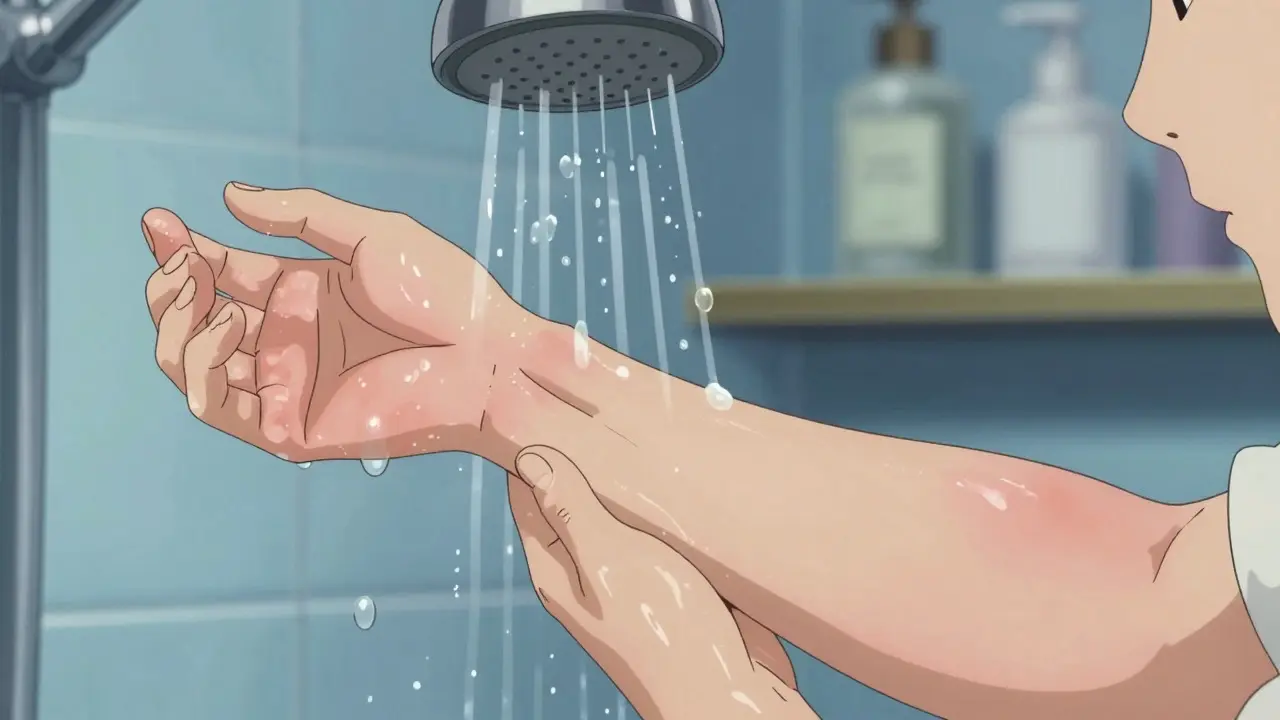
Walking into a radiation oncology clinic, you’re handed a pamphlet that lists side effects like dry mouth or nausea. But the two things that actually derail your daily life? Radiation dermatitis is a predictable skin reaction to ionizing radiation that progresses from redness to peeling and sometimes blistering, and radiation-induced fatigue is a persistent exhaustion that peaks mid-treatment and doesn’t respond to sleep alone. These aren’t minor annoyances-they’re the #1 and #2 complaints among patients. Roughly 95% of people getting external beam radiation see some skin change, and up to 95% report significant fatigue. If you’re starting treatment soon, knowing what’s coming and exactly how to manage it can cut your suffering in half.
What Actually Happens to Your Skin (and When)
Skin reactions don’t hit all at once. They follow a timeline tied to the cumulative dose you receive. Around day 7-10, you’ll notice mild redness-called erythema-which feels like a light sunburn. By weeks 3-4, if you’re getting higher doses (15-20 Gy), the skin starts flaking dryly. For many breast, chest, or head-and-neck patients, this is where the real trouble begins. At 25-30 Gy, about 20-30% of patients develop moist desquamation: blisters, weeping, and raw patches that sting with every movement. Head and neck sites are especially vulnerable because of tight skin folds and constant saliva exposure.
The good news? This progression is preventable in its worst form. The key is starting skin care before you see any redness. Waiting until week 3 means you’re already behind. Gentle cleansing with a pH-balanced product like Cetaphil twice daily, followed by a fragrance-free moisturizer with ceramides within three minutes of drying off, creates a barrier that slows down moisture loss. Avoid hot water-showers above 104°F (40°C) strip natural oils and worsen inflammation. And skip scented soaps, alcohol-based toners, and rough towels entirely. A soft cloth, patted dry, is all you need.
Fatigue Isn’t Laziness-It’s Biology
If your skin is visibly changing, fatigue is silently draining you. It typically kicks in at week 2-3 and hits its peak around week 5-6. Unlike tiredness after a bad night’s sleep, radiation fatigue lingers even after rest. You might sleep 10 hours and still feel wiped out by noon. Why? Ionizing radiation damages not just tumor cells but also healthy tissues, triggering systemic inflammation and disrupting energy metabolism. Whole-brain radiation makes it worse-45% of those patients hit grade 3-4 fatigue (severe enough to need intervention), compared to 25% for localized treatments.
Here’s what most patients underestimate: fatigue gets worse as treatment goes on, not better. Dr. Sue Yom, former ASTRO President, points out that 45% of patients were surprised by this progressive nature. They expected a flat line of symptoms, but it’s a curve that climbs. That’s why waiting until you’re exhausted to “do something” is too late. Start small early. A 10-minute walk on days when you can, scaled up to 30 minutes five days a week, reduces fatigue severity by 25-30% in randomized trials. It’s not about hitting the gym-it’s about consistent, moderate movement that keeps your body from deconditioning.

Practical Skin Care Protocols That Work
Your radiation nurse should walk you through this, but if they haven’t, here’s the evidence-backed routine:
- Cleanse gently: Use lukewarm water and a mild, fragrance-free cleanser. No scrubbing. Let the water run over the area if it stings.
- Moisturize immediately: Apply a ceramide-rich cream or ointment within 3 minutes of patting dry. This locks in hydration.
- Protect from friction: Wear loose, soft cotton clothing. Avoid synthetic fabrics that trap heat and sweat.
- Avoid irritants: No perfumes, deodorants with alcohol, or harsh exfoliants on treated areas.
- Use barrier films if recommended: Products like Cavilon No Sting Barrier Film can prevent moist desquamation in high-risk areas like the neck or under the breast fold.
If you do develop moist desquamation, hydrogel dressings are the gold standard. They keep the wound moist, reduce pain, and speed healing by 32% compared to standard care. Topical steroids are generally not recommended for routine prevention, but silver sulfadiazine may be used for grade 2 reactions under medical supervision.
Managing Fatigue: Exercise, Sleep, and Mindset
Fatigue management isn’t one-size-fits-all, but three pillars work for most people:
- Structured exercise: Aim for 30 minutes of walking at a brisk pace (3.0-3.5 METs) five days a week. Add light resistance training twice weekly if possible. Even short bursts count if full sessions feel impossible.
- Sleep hygiene: Keep a consistent sleep-wake time (within 30 minutes). Limit naps to 20-30 minutes to avoid grogginess. Create a dark, cool bedroom environment.
- Prioritize energy conservation: Break tasks into smaller chunks. Rest before you’re completely drained. Say no to non-essential commitments during peak fatigue weeks.
Some patients benefit from medication. Modafinil, a wakefulness-promoting agent, has shown promise in reducing PROMIS fatigue scores by 14 points in two weeks for select cases. But it’s not a first-line fix-exercise and sleep come first. Talk to your oncologist before adding any supplements or meds.

Recovery Timelines: What to Expect After Treatment Ends
Acute skin reactions usually resolve within 2-4 weeks after your last session. Hair regrowth, if affected, typically starts at 2-3 months post-treatment, with 50% regrowth by then. However, late effects can emerge months or years later. Fibrosis (scarring and tightening of tissue) affects 5-10% of head and neck patients and may require 6-12 months of physical therapy. Telangiectasias (visible blood vessels) appear in 30-50% of patients at five years. Permanent hair loss occurs in 15-20% of scalp radiation patients who received >50 Gy.
Fatigue often lingers longer than skin issues. Many patients report feeling “normal” again by 3-6 months, but some experience low-grade fatigue for up to a year. Patience is key. Track your energy levels weekly. If fatigue persists beyond six months and interferes with daily life, ask about a referral to a fatigue specialist or integrative medicine program.
| Treatment Site | Severe Skin Reactions (Grade 3-4) | Average PROMIS Fatigue Score | Typical Skin Recovery Time |
|---|---|---|---|
| Head & Neck | 35-45% | 62.1 | 3-4 weeks |
| Breast/Chest | 15-25% | 59.8 | 2-3 weeks |
| Pelvis/Abdomen | 10-15% | 65.2 | 2-3 weeks |
| Prostate | 5-10% | 58.0 | 2 weeks |
When to Call Your Doctor
Most side effects are manageable at home, but watch for red flags:
- Skin that becomes bright red, warm, or swollen with pus-signs of infection.
- Fever over 100.4°F (38°C) alongside fatigue-could indicate an immune response or infection.
- Fatigue that prevents basic self-care (bathing, eating) for more than 3 days straight.
- Skin blisters larger than a quarter or open wounds that don’t heal after 7 days.
How long does radiation skin irritation last?
Acute skin reactions typically resolve within 2-4 weeks after treatment ends. Late effects like fibrosis or telangiectasias can take months to years to fully stabilize.
Can I use regular lotion on my radiation field?
Only if it’s fragrance-free, alcohol-free, and specifically approved by your radiation team. Many commercial lotions contain irritants that worsen dermatitis. Stick to products like RadiaPlex Rx or Biafine unless told otherwise.
Does exercise really help with radiation fatigue?
Yes. Moderate exercise (30 min walking, 5x/week) reduces fatigue severity by 25-30% in clinical trials. It’s one of the most effective non-drug interventions available.
Will my hair grow back after radiation?
For most scalp radiation patients, yes. 50% regrowth occurs at 2-3 months. However, 15-20% of patients receiving >50 Gy may experience permanent hair loss in the treated area.
What’s the best way to protect my skin during showers?
Use lukewarm water (below 104°F/40°C), a gentle cleanser, and pat dry with a soft cloth. Avoid rubbing. Apply moisturizer within 3 minutes of exiting the shower.