
Upper Airway Stimulation: A Complete Guide to Implant Therapy for Sleep Apnea
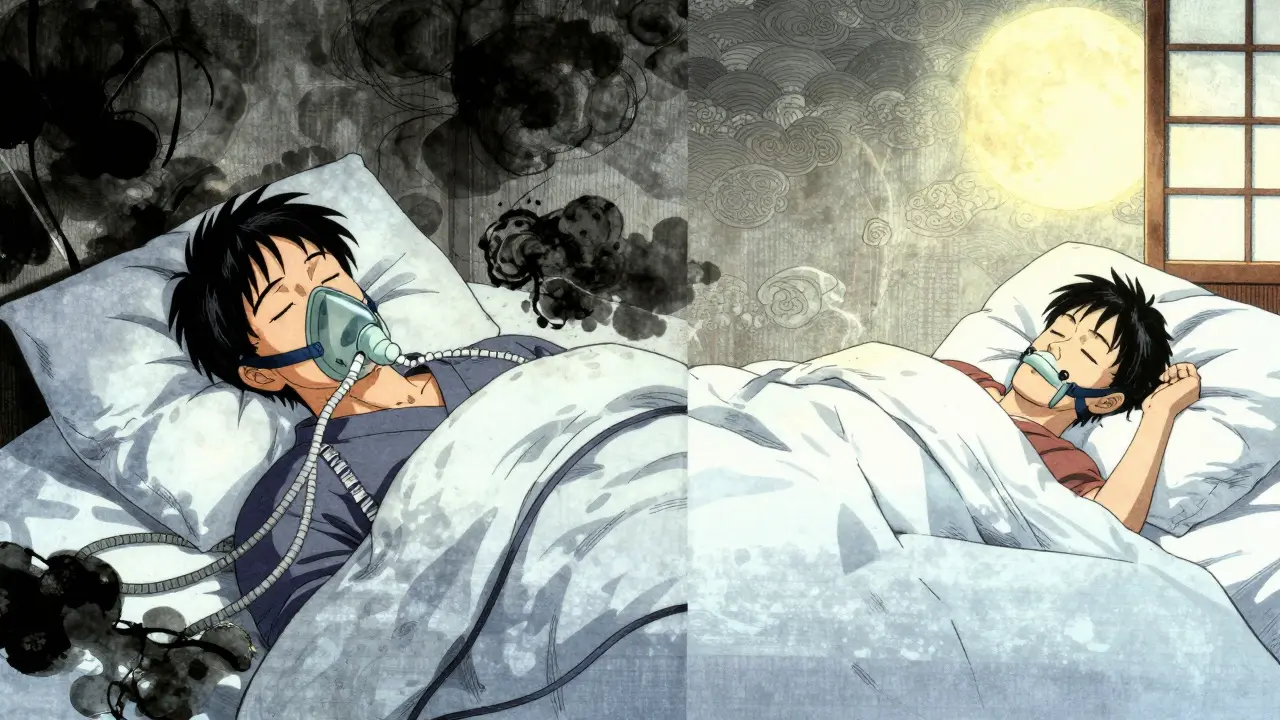
Imagine waking up exhausted every single morning, even after eight hours in bed. You’ve tried the mask, the hose, and the machine that blows air into your face all night. It feels like sleeping with a vice on your head, and you just can’t make it work. If this sounds familiar, you are not alone. Millions of people struggle with obstructive sleep apnea (OSA) but simply cannot tolerate continuous positive airway pressure (CPAP) therapy. For these patients, upper airway stimulation offers a different path forward-one that doesn’t require a mask or a noisy machine.
This guide breaks down what upper airway stimulation is, how the implant works, who qualifies for it, and what you can expect from the surgery and recovery. We’ll look at the real data behind the hype so you can decide if this technology might be the solution you’ve been waiting for.
What Is Upper Airway Stimulation?
Upper airway stimulation (UAS) is a surgical treatment for moderate to severe obstructive sleep apnea. Unlike CPAP, which pushes air into your throat to keep it open, UAS uses electricity to stimulate the muscles that control your tongue. The most well-known device in this category is the Inspire Upper Airway Stimulation system, developed by Inspire Medical Systems. It was approved by the U.S. Food and Drug Administration (FDA) in 2014 and has since become a leading option for patients who have failed CPAP therapy.
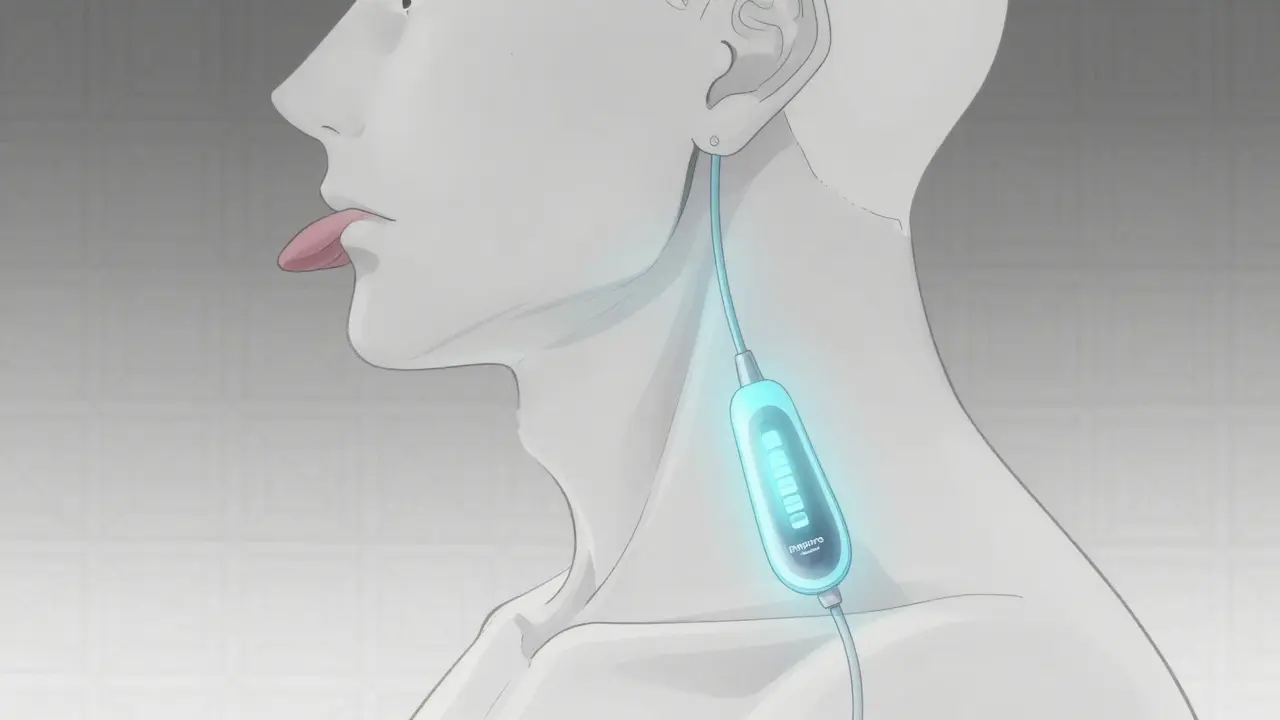
Here is the basic idea: when you breathe in during sleep, the device sends mild electrical pulses to the hypoglossal nerve. This nerve controls your tongue. When stimulated, the tongue moves slightly forward, opening up the airway so air can flow freely. When you exhale, the stimulation stops. It’s a cycle that repeats throughout the night, keeping your airway open without you having to do anything other than press a button on a remote before bed.
| Feature | CPAP Therapy | Upper Airway Stimulation (UAS) |
|---|---|---|
| Method | Air pressure via mask | Nerve stimulation via implant |
| Invasiveness | Non-invasive | Surgical implant |
| User Control | Must wear mask nightly | Press remote to activate |
| Adherence Rate | Low (29-46% abandon) | High (>80% satisfaction) |
| Reversibility | Yes | Yes (device can be removed) |
Who Is a Good Candidate?
Not everyone with sleep apnea can get an upper airway stimulator. Because it involves surgery, doctors need to be sure you meet specific criteria. The FDA guidelines are strict, but they have expanded over time. As of 2023, the eligibility window is wider than it used to be.
To qualify for UAS therapy, you generally need to meet all of the following conditions:
- Age: You must be at least 22 years old.
- Sleep Apnea Severity: Your Apnea-Hypopnea Index (AHI) must be between 15 and 100 events per hour. An AHI above 15 indicates moderate to severe OSA.
- Body Mass Index (BMI): Your BMI must be less than 35 kg/m² (some newer approvals allow up to 40, but 35 is the standard benchmark).
- CPAP Failure: You must have tried CPAP therapy for at least three months and still not use it consistently, or you must find it intolerable.
- Airway Anatomy: You cannot have complete concentric collapse of the soft palate. Doctors check this using a drug-induced sedation endoscopy (DISE). This test helps them see exactly where your airway collapses while you are asleep.
- Central Apnea Limit: Less than 25% of your breathing events should be central or mixed apneas. UAS treats obstructive issues, not central nervous system issues.
If you have a high BMI or significant central apnea, UAS might not work for you. In those cases, weight loss strategies or other treatments like bilevel positive airway pressure (BiPAP) might be recommended first.
How the Surgery Works
The procedure to implant the upper airway stimulator is performed as outpatient surgery under general anesthesia. It typically takes about two to three hours. Here is what happens step-by-step:
- Anesthesia: You are put to sleep completely. This ensures you feel no pain and allows the surgeon to access the nerves safely.
- Incisions: The surgeon makes three small incisions. One is in the lower neck to place a sensing lead that monitors your breathing. Another is near the collarbone to place the pulse generator (the battery pack). The third is higher up in the neck to access the hypoglossal nerve.
- Lead Placement: A thin wire (lead) is attached to the hypoglossal nerve. This wire carries the electrical signals from the generator to the nerve.
- Generator Placement: The pulse generator is placed under the skin in the chest area, similar to a pacemaker. It is connected to the leads via tunnels created under the skin.
- Closure: The incisions are closed with stitches or glue. Most patients go home the same day.
It is important to note that the device does not start working immediately. You need to heal for about four weeks before the doctor activates the system. This healing period allows the tissues to settle around the leads, reducing the risk of irritation or infection.
Living With the Device
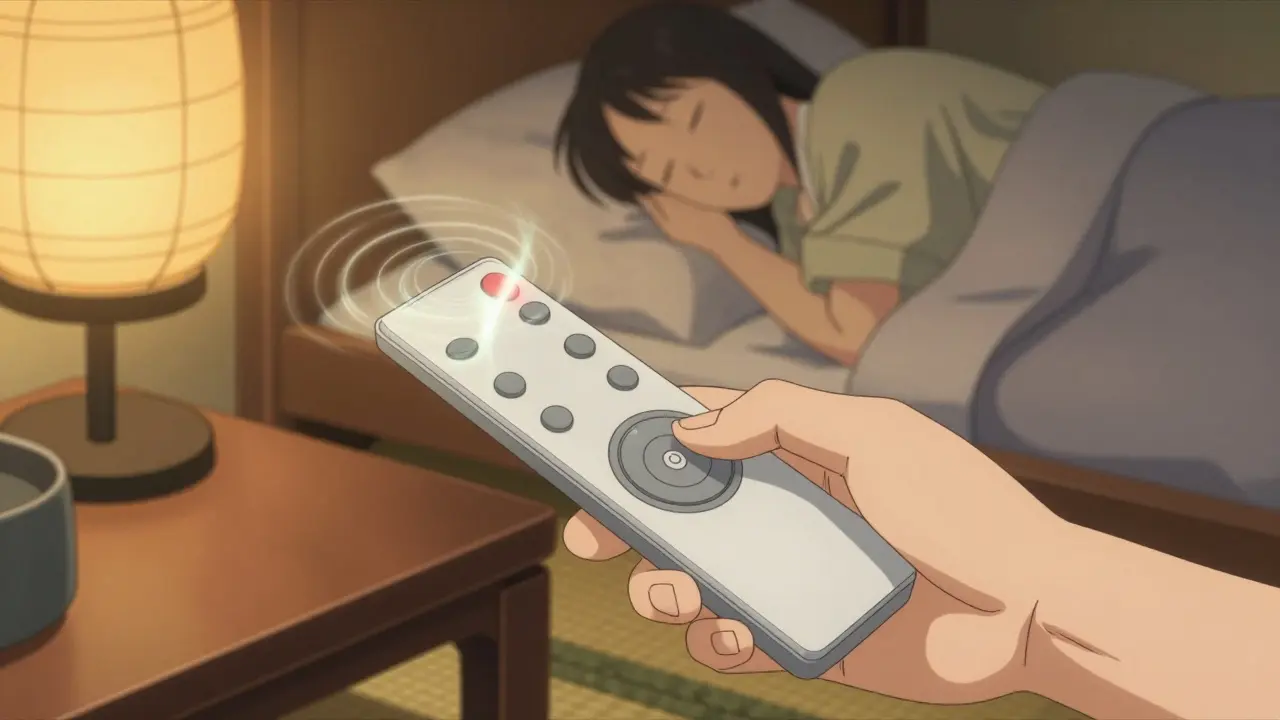
Once your doctor activates the device, you take control. Before you go to sleep, you press a button on a small remote control. This turns the device on. The system senses your breathing pattern and delivers stimulation only when you inhale. If you stop breathing, it stimulates the nerve to open the airway. If you wake up or turn over, the device adjusts automatically.
Many patients report a strange sensation at first-a tingling or twitching feeling in the tongue. This usually fades within a few weeks as your brain gets used to it. Some users forget to turn it on at night, which is why building a consistent bedtime routine is crucial. Think of it like brushing your teeth: it becomes automatic after a while.
The device is adjustable. During follow-up visits, your doctor can change the intensity of the stimulation to ensure it is effective and comfortable. These titration appointments happen at 1, 3, 6, and 12 months after activation, then annually.
Effectiveness and Safety Data
Does it actually work? The clinical data says yes. The STAR trial, a landmark study published in medical journals, showed that patients experienced a 68% reduction in their AHI scores. On average, AHI dropped from 29.3 events per hour to 9.0 events per hour at 12 months. More importantly, 66% of participants achieved an AHI below 20, which is considered a successful outcome for moderate to severe OSA.
Long-term studies, such as the ADHERE Registry, confirm these results hold up over time. Patients with higher initial AHI scores (up to 100) and higher BMIs (up to 40) also saw significant improvements. Daytime sleepiness scores improved dramatically, and quality-of-life surveys showed major gains in energy and mood.
Regarding safety, the complication rate is very low. Major complications occur in less than 0.5% of cases. Minor issues include temporary tongue weakness (reported by about 5% of patients in early trials) and minor surgical site infections (around 2%). Serious adverse events are rare, making it one of the safest surgical options for sleep apnea.
| Metric | Result |
|---|---|
| AHI Reduction | 68% average reduction |
| Responder Rate | 66% achieved AHI < 20 |
| Patient Satisfaction | 80% recommend therapy |
| Major Complications | < 0.5% |
| Bed Partner Snoring Report | 85% report no snoring |
Cost and Insurance Coverage
One of the biggest concerns for patients is cost. The procedure itself can range from $35,000 to $40,000, excluding surgeon fees. That sounds steep, but consider the long-term costs of CPAP. Over ten years, buying masks, filters, humidifier chambers, and replacing machines adds up quickly. Plus, there is the hidden cost of untreated sleep apnea: higher risks of hypertension, stroke, and heart disease.
Insurance coverage has improved significantly. As of 2026, approximately 95% of Medicare beneficiaries and 85% of commercially insured patients have coverage for upper airway stimulation. However, you must prove CPAP failure first. This means keeping records of your attempts to use CPAP, including logs from your provider showing low usage hours.
If you are self-pay, ask about financing options. Many clinics partner with healthcare credit companies that offer monthly payment plans. It is worth discussing the total cost of ownership, including follow-up visits and potential future replacements of the pulse generator (which lasts about 5-7 years).
Alternatives to Consider
If UAS isn’t right for you, there are other options. Oral appliances, like mandibular advancement devices, push the jaw forward to open the airway. They are less invasive than surgery but may not work for severe cases. Surgical procedures like uvulopalatopharyngoplasty (UPPP) remove tissue from the throat, but they often have longer recovery times and variable success rates. Weight loss remains the most powerful natural intervention for many patients, as losing even 10% of body weight can reduce AHI significantly.
Discuss all these options with a sleep specialist. They can help you weigh the pros and cons based on your specific anatomy and health history.
Is upper airway stimulation painful?
The surgery itself is done under general anesthesia, so you feel no pain during the procedure. Afterward, you may experience soreness in the neck and chest for a few days, manageable with over-the-counter pain relievers. Once activated, some patients feel a mild tingling or twitching in the tongue, but this sensation usually diminishes within a few weeks as your body adjusts.
How long does the device last?
The pulse generator (battery) typically lasts between 5 to 7 years. When the battery dies, a minor outpatient surgery is required to replace it. The leads and sensing wires are designed to last much longer, often for the lifetime of the patient, unless damage occurs.
Can I travel with the device?
Yes, you can travel anywhere. The device is small and discreet under the skin. However, you should inform security personnel at airports that you have an implanted medical device. It is generally safe to go through metal detectors, but you may want to carry a patient ID card provided by the manufacturer to expedite screening.
What if I forget to turn it on?
If you forget to activate the device, you will likely experience sleep apnea symptoms that night, such as snoring and fragmented sleep. There is no penalty or damage to the device. It is crucial to build a habit of turning it on every night, similar to brushing your teeth. Some patients set alarms or place the remote next to their toothbrush to remind themselves.
Is the surgery reversible?
Yes, upper airway stimulation is reversible. If you choose to discontinue therapy, the device can be surgically removed. The hypoglossal nerve is not cut or permanently altered; the leads are simply detached. Most patients retain normal tongue function after removal.