
When to Call Poison Control vs. Emergency Services for Overdose: Clear Guidelines for Life-Threatening Situations
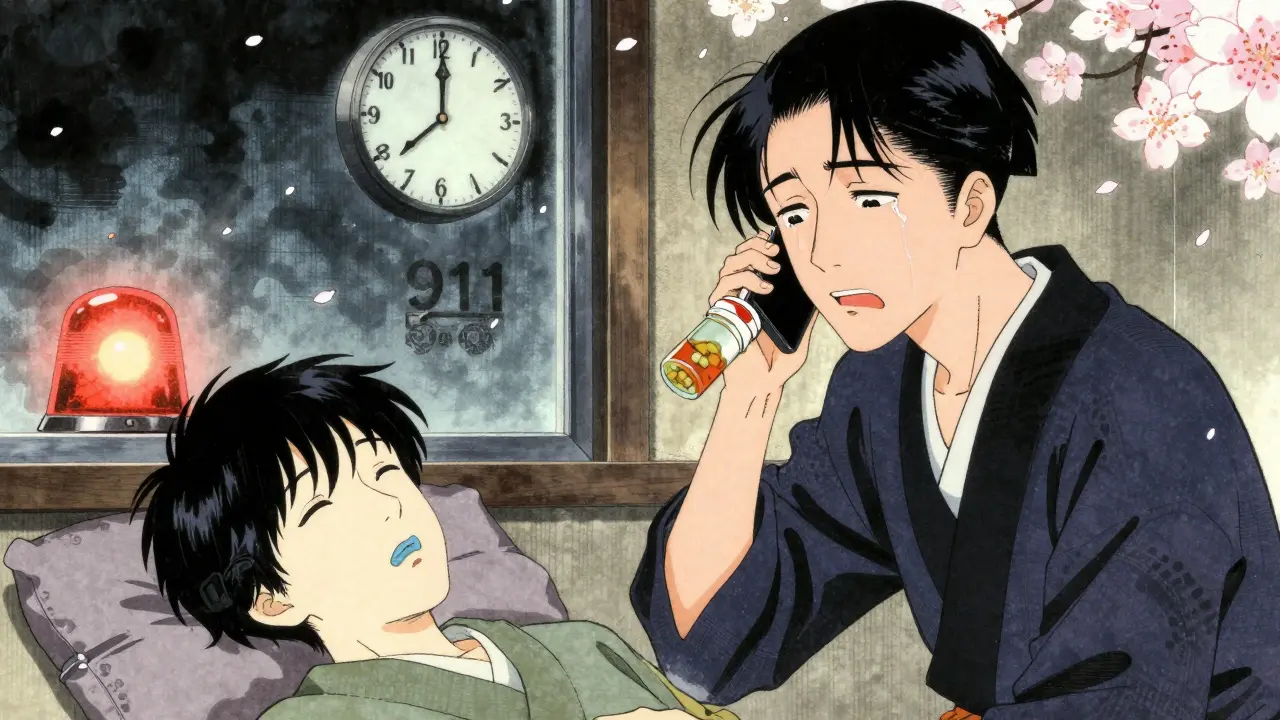
When someone overdoses, every second counts. But calling the wrong service can cost time, resources, and even a life. You don’t need to guess. There’s a clear, evidence-based system that tells you exactly when to call poison control and when to dial 911. This isn’t about being cautious-it’s about acting correctly based on what’s happening to the person right now.
Call 911 Immediately If There Are Life-Threatening Symptoms
If the person is unconscious, not breathing, having seizures, or their heart is racing or skipping beats, don’t hesitate. Call 911. These aren’t signs you can wait out. Poison control won’t send an ambulance. Only emergency services can deliver oxygen, naloxone, IV fluids, or advanced airway support on the spot.The CDC tracks fatal poisoning cases and finds that 28.3% of deaths happen because breathing stops. That’s why unresponsiveness-even if they seem to be breathing-is a hard line. If someone doesn’t wake up when you shake them hard or pinch their shoulder, call 911. Same if they’re having a seizure that lasts more than five minutes. Seizures from overdoses can lead to brain damage or stopped breathing.
Low blood pressure is another silent killer. If their systolic number (the top number on a blood pressure cuff) drops below 90 mmHg, their organs aren’t getting enough blood. This often happens with overdoses of heart medications like beta-blockers or calcium channel blockers. People think, “They’re just sleepy,” but their heart is failing. By the time they turn blue, it’s too late.
Infants under one year and adults over 79 are especially vulnerable. Their bodies process drugs differently. Even a small overdose that wouldn’t hurt a healthy adult can be deadly for them. If a toddler swallows a single pill of any prescription drug, or an elderly person takes two doses of their blood pressure medicine, and they’re acting odd-call 911. Don’t wait for symptoms to get worse.
Call Poison Control for Stable, Known Exposures
Poison control isn’t for emergencies. It’s for when someone took something by mistake, and they’re still awake, breathing normally, and alert. Think: a child grabbed a bottle of vitamins. An adult accidentally took two painkillers instead of one. A teenager took a friend’s anxiety pill and feels a little dizzy but can talk.These cases make up the majority of poison control calls. In 2022, over 2 million exposure reports came in, and 44.6% were from medications. Most of those didn’t need an ambulance. Poison control experts can tell you whether it’s safe to watch and wait, or if you need to go to the ER.
They can also help with things you might not think of. For example, if someone took an extended-release opioid like OxyContin instead of regular oxycodone, the danger lasts longer. Poison control knows the difference. They’ll tell you to monitor for 6-8 hours, not just 2. Or if it’s a liquid cleaner with a high concentration of bleach, they’ll know whether it’s safe to induce vomiting (it’s not) or if you should rinse the mouth and drink milk.
Don’t assume it’s harmless just because it’s “just” a pill. Some medications are dangerous in tiny amounts. Clonidine (used for high blood pressure or ADHD) can cause coma in children with as little as 0.01 mg per kilogram of body weight. Sulfonylureas (diabetes pills) can crash blood sugar so fast, a child can have a seizure in 30 minutes. Poison control has the exact toxicity thresholds for hundreds of substances.
What Information to Have Ready Before You Call
Whether you’re calling poison control or 911, having the right info speeds up help. Don’t waste time searching for bottles while someone is fading.For poison control, you need:
- The exact name of the product (not “that blue pill”-look at the label)
- How much was taken (in milligrams or milliliters, not “a handful”)
- When it happened (to the nearest 15 minutes)
- The person’s weight in kilograms (if you don’t know, estimate-better than nothing)
- Any symptoms and when they started
- What you’ve already done (like giving water, vomiting, or using naloxone)
Keep the container. It’s not just for show. Pills come in different forms-immediate-release, extended-release, enteric-coated. That changes how fast the poison hits the bloodstream. A 500 mg acetaminophen tablet might be safe, but if it’s extended-release and someone took six, that’s a liver failure risk. Poison control sees the label and knows.
For 911, you still need the same info, but you also need to describe behavior. “They’re not waking up.” “Their lips are blue.” “They’re shaking like they’re cold.” Emergency dispatchers use this to send the right level of response-basic life support or advanced paramedics with ventilators.
Opioid Overdoses Are Different-Naloxone First, Then 911
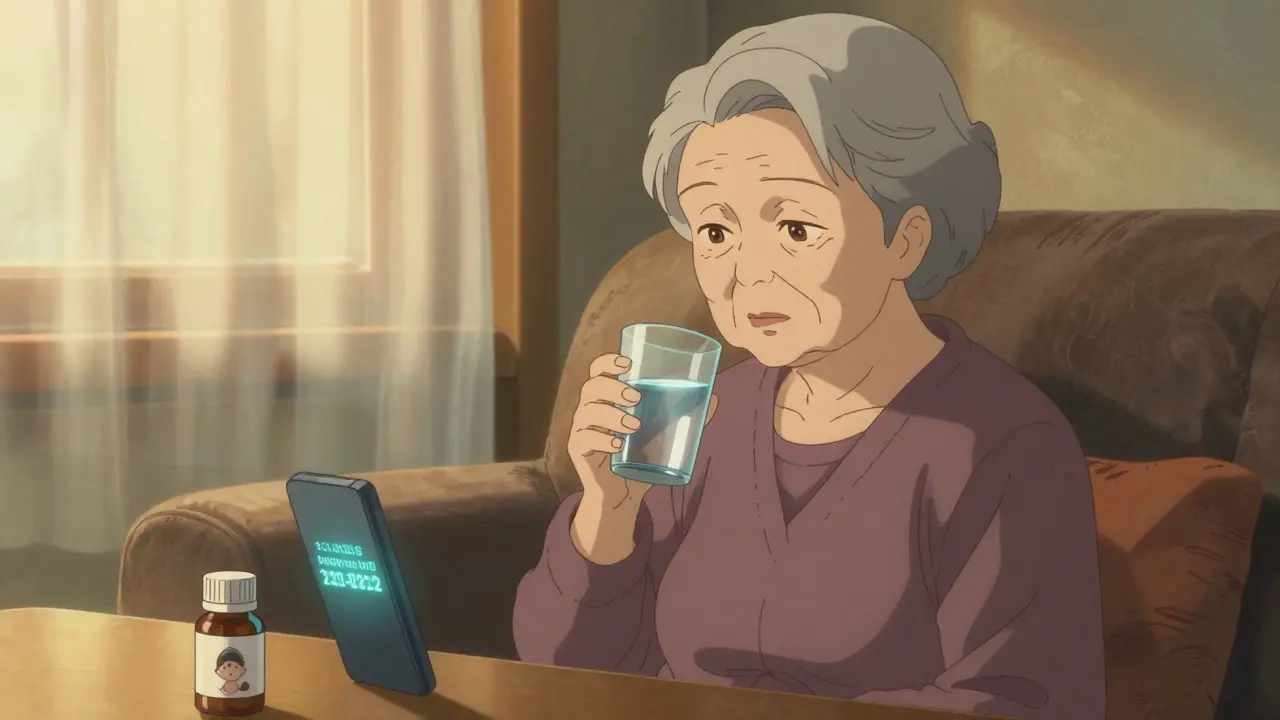
If you suspect an opioid overdose-fentanyl, heroin, oxycodone, or even prescription painkillers-and the person is unresponsive, not breathing, or has slow, shallow breaths, give naloxone (Narcan) right away. Then call 911.Why both? Naloxone reverses the overdose, but it only lasts 30-90 minutes. Many opioids, especially fentanyl and its analogs, last much longer. The person can stop breathing again after the naloxone wears off. That’s why 61% of cases in Reddit’s r/EMEMS community needed a second 911 call after initial reversal.
Don’t wait to see if naloxone works. Give it. Even if you’re not sure it’s opioids. Naloxone won’t hurt someone who didn’t take opioids. And call 911 even if they wake up. They still need monitoring in a hospital.
Special Cases: Kids, Seniors, and Carbon Monoxide
Children under 6 account for nearly half of all poison control calls. Most are accidents-vitamins, cleaners, or a parent’s pill. But some substances are deadly even in tiny amounts. Never assume a child is fine just because they’re playing. If they swallowed anything not food, call poison control. Even if they seem okay.Seniors over 75 are another high-risk group. On average, they take five or more medications daily. That means dangerous interactions are common. A blood pressure pill plus a sleep aid can crash the heart. A diabetes drug plus a cold medicine can cause seizures. If an older adult takes anything unusual-even one extra pill-call 911. Don’t wait for symptoms. Their bodies don’t recover like younger ones.
Carbon monoxide poisoning is different. Even if someone just has a headache or feels dizzy after using a heater or generator, call 911. Carbon monoxide is invisible and odorless. Symptoms can seem mild at first, but 42.7% of people who survive the initial exposure develop brain damage days later. Poison control will tell you to get to fresh air and call 911-no exceptions.
Technology Helps, But It’s Not a Replacement
There’s an online tool called webPOISONCONTROL and a mobile app. They’re great for checking low-risk cases. You answer 12 questions, and it gives you a risk level. In 2022, it was 97.2% accurate for simple cases.But here’s the catch: it doesn’t work for intentional overdoses, multiple drugs, or anyone with symptoms. And 18.3% of app users thought it meant they didn’t need to call anyone. That’s dangerous. If the app says “low risk,” but the person is slurring words or can’t stand, call 911 anyway. The app is a guide, not a doctor.
What Happens If You Get It Wrong?
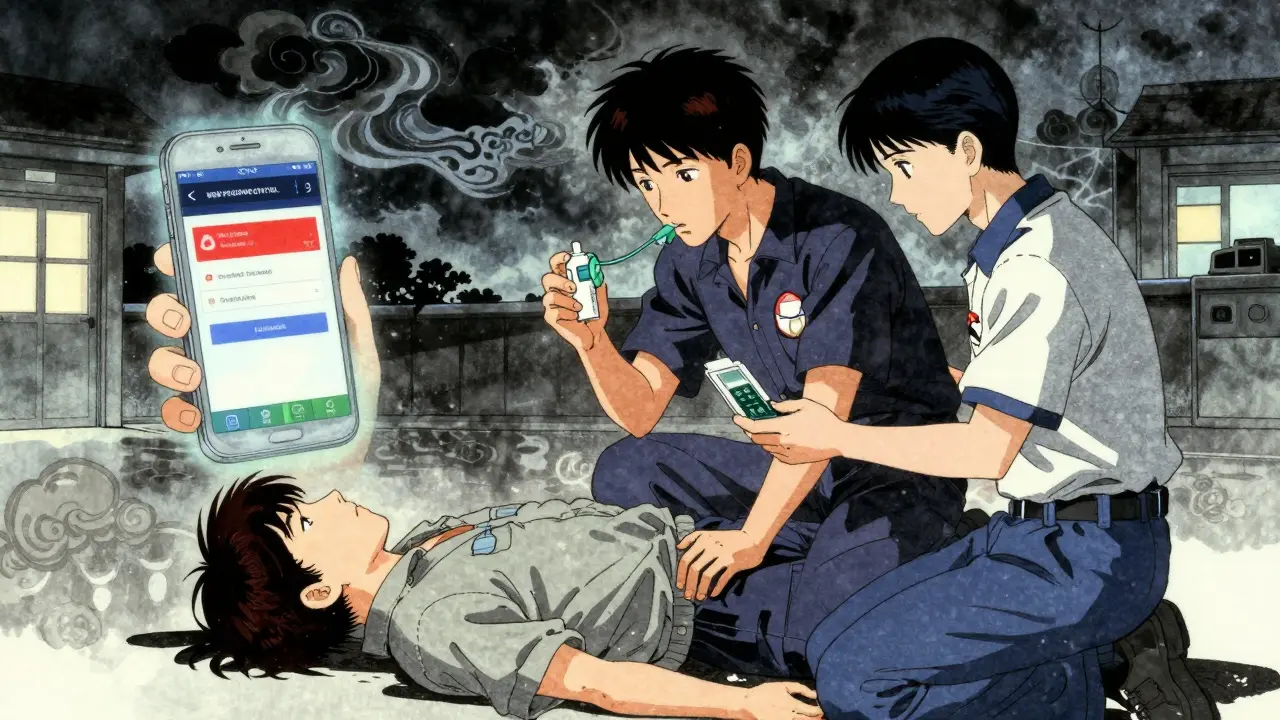
Calling poison control for a life-threatening case delays critical care. Emergency doctors report that 68% of patients who were sent to poison control first for high-risk overdoses (like calcium channel blockers) ended up in the ER anyway-with worse outcomes because help came too late.On the flip side, calling 911 for every small mistake overwhelms emergency systems. In 2022, 4.7% of all 911 calls were for possible poisonings. Many were unnecessary. Poison control saves the system $1.8 billion a year by keeping 300,000 people out of ERs who didn’t need them.
The goal isn’t to avoid 911. It’s to use the right tool for the job. Poison control is your expert advisor. 911 is your lifeline.
Bottom Line: The Decision Tree
Here’s how to decide in under 10 seconds:- Is the person unconscious, not breathing, seizing, or in cardiac distress? → Call 911 now.
- Is it an opioid overdose? → Give naloxone, then call 911.
- Is it a child under 1 or adult over 79? → Call 911 if anything seems off.
- Is it a single substance, taken accidentally, and the person is awake and breathing normally? → Call poison control (1-800-222-1222).
- Still unsure? → Call poison control. They’ll tell you if you need 911.
Keep the Poison Help number (1-800-222-1222) saved in your phone. Write it on the fridge. Tell your family. It’s free, confidential, and available 24/7. And if you ever hesitate-call. Better safe than sorry. People live because someone picked up the phone and asked for help.
Can I just wait and see if the person gets worse before calling?
No. Some poisons act fast. Others build up silently. Waiting can turn a treatable case into a fatal one. If you’re unsure, call poison control immediately. They can tell you if it’s safe to wait. Don’t gamble with someone’s life.
What if I don’t know what they took?
Call poison control anyway. Have the container, even if it’s empty. Tell them the color, shape, and any writing on it. Describe symptoms. They can often identify the substance from that. If it’s a drug you don’t recognize, take a photo. Emergency services can use that too.
Is poison control only for kids?
No. Poison control handles cases for all ages. Adults make up the majority of calls. Most are from accidental medication errors, alcohol poisoning, or household chemical exposure. Anyone can call, anytime.
Will calling poison control get me in trouble?
No. Poison control is confidential and non-judgmental. Their job is to save lives, not report people. Even if it’s a drug overdose, they won’t call the police. They’ll focus on helping the person survive.
Can I use the poison control app instead of calling?
Only if the person is fully conscious, breathing normally, and took one substance by accident. If there’s any doubt-call. The app doesn’t replace human expertise. It’s a tool for low-risk situations, not emergencies.
steve rumsford
January 8, 2026 AT 01:45Mina Murray
January 8, 2026 AT 08:41Jessie Ann Lambrecht
January 9, 2026 AT 22:38Paul Mason
January 10, 2026 AT 01:57Adam Gainski
January 10, 2026 AT 02:03Poppy Newman
January 11, 2026 AT 19:28Emma Addison Thomas
January 12, 2026 AT 06:40LALITA KUDIYA
January 12, 2026 AT 10:06Vince Nairn
January 13, 2026 AT 02:09Christine Joy Chicano
January 14, 2026 AT 05:05Katrina Morris
January 16, 2026 AT 04:27Andrew N
January 18, 2026 AT 03:40Aparna karwande
January 19, 2026 AT 10:20Anthony Capunong
January 19, 2026 AT 22:04Anastasia Novak
January 21, 2026 AT 06:08