
Are Generic Drugs as Safe as Brands? Clinical Evidence Explained

When you pick up a prescription, you might see two options: the brand-name drug you recognize, or a cheaper generic version. Many people wonder-are generic drugs as safe as brands? The answer isn’t as simple as yes or no, but the clinical evidence paints a clear picture: for most people, under most circumstances, they are.
What Makes a Generic Drug "Generic"?
A generic drug isn’t a copycat-it’s a legally required exact match in key ways. To get approved, it must contain the same active ingredient, in the same strength, same form (pill, injection, capsule), and same route of use (oral, topical, etc.) as the original brand. That’s not marketing-it’s federal law. In the U.S., the FDA requires this before a generic can even be sold.
The real test is bioequivalence. This means the generic must be absorbed into your bloodstream at nearly the same rate and to the same extent as the brand. The FDA sets strict rules: the amount of drug in your blood (measured as AUC) and how fast it peaks (Cmax) must fall within 80% to 125% of the brand’s numbers. That’s not a wide gap-it’s a tight band. Think of it like two cars driving the same route at nearly identical speeds and stopping at the same point. One might take a slightly different road, but they end up in the same place, at the same time.
Why Do Generic Drugs Cost So Much Less?
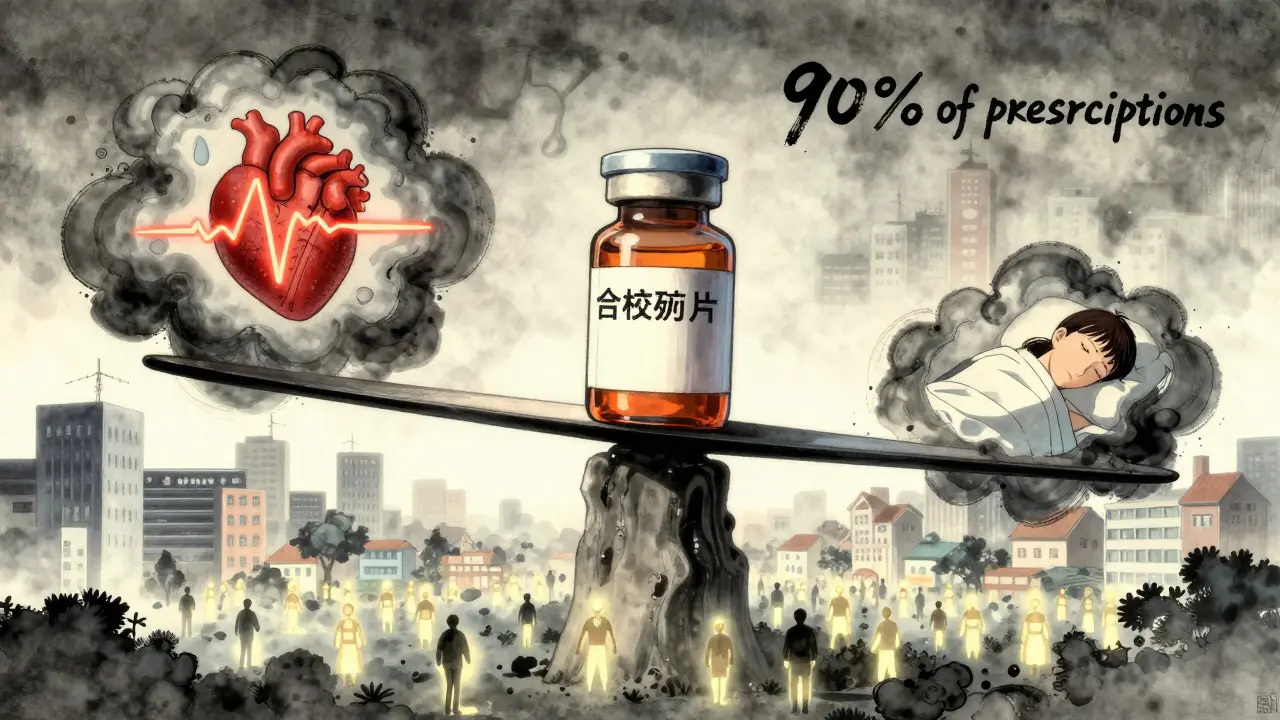
Brand-name drugs cost more because the company that invented them spent years and hundreds of millions developing, testing, and marketing them. Once the patent runs out, other companies can make the same drug. They don’t need to repeat expensive clinical trials. Instead, they prove bioequivalence through smaller, focused studies. That’s why generics can cost 80-85% less. In the U.S., generics make up 90% of all prescriptions but only 25% of total drug spending. That’s billions saved every year.
But here’s the thing: lower cost doesn’t mean lower quality. The FDA inspects manufacturing facilities for generics just like it does for brands. In fact, many brand-name companies make their own generic versions. The difference isn’t in how it’s made-it’s in the label, the color, and the price.
What Does the Science Say?
Large-scale studies have looked at real-world outcomes-not just lab numbers, but actual patient results. A 2020 study in Nature Scientific Reports tracked over 1.2 million people in Austria using generic or brand drugs for 17 common conditions. The results? Generics were linked to fewer deaths in 10 of the 17 drugs studied. For heart-related events, the difference was even starker: patients on generics had 40% fewer major cardiac events than those on brand-name versions.
That might surprise you. You’d think the brand would be safer. But the data says otherwise. Researchers believe this could be because generics are cheaper, so patients are more likely to take them consistently. Missed doses are a huge problem with expensive drugs. When people can’t afford their medication, outcomes get worse-not better.
Another study from 2022 looked at adverse event reports in the FDA’s database. It analyzed 15 commonly prescribed drugs and found no meaningful difference in side effect reports between generics and brands. On average, there were 12.7 reports per million prescriptions for generics and 13.2 for brands. That’s practically the same.

When Might Generics Be a Problem?
There are exceptions. A small group of drugs have what’s called a narrow therapeutic index. That means the difference between a dose that works and one that’s toxic is very small. For these, even tiny changes in how the drug is absorbed can matter. Examples include:
- Warfarin (blood thinner)
- Levothyroxine (thyroid hormone)
- Phenytoin and carbamazepine (anti-seizure drugs)
For these, some studies have shown small shifts in patient outcomes after switching from brand to generic. A 2017 Canadian study found that after generic versions of three blood pressure drugs were introduced, hospital visits for side effects rose by 8-14% in older adults. In thyroid patients, some have reported dramatic changes in TSH levels after switching to generic levothyroxine-like going from a stable 1.2 to a high 8.7, even with the same dose.
But here’s the catch: these aren’t proof that generics are unsafe. They’re proof that switching between products-even if both are approved-can cause instability. The problem isn’t the generic. It’s the change.
Why Do Some People Feel Different on Generics?
It’s not all in their head. Generic drugs can have different inactive ingredients-fillers, dyes, coatings-that don’t affect how the active drug works, but might affect how the body reacts. For example, a person with a rare allergy to a dye might react to one brand but not another. Or a coating that dissolves slower might delay absorption slightly.
One 2013 review found that about 30% of patients reported side effects or felt the generic didn’t work as well after switching. But 30% also said they felt better. That’s a split. It suggests that for some, the change itself triggers a psychological or physiological response. Placebo effect works both ways: if you believe a cheaper drug won’t work, your body might respond as if it doesn’t.
Pharmacists report the same thing. A 2021 survey found that 67% had patients come in saying the generic didn’t work as well-especially for psychiatric meds or seizure drugs. But when those patients were monitored with blood tests or kept on the same generic for months, most stabilized. The issue often wasn’t the drug-it was the switch.
What Should You Do?
If your doctor prescribes a brand-name drug and you’re offered a cheaper generic, you have options:
- Ask if it’s FDA-approved. If yes, it’s legally equivalent.
- Don’t switch back and forth. If you’re stable on a generic, stay on it. If you’re stable on a brand, stay there.
- For narrow therapeutic index drugs (like thyroid or seizure meds), ask your doctor to write "Dispense as Written" on the prescription if you’ve had good results with one version.
- Monitor symptoms. If you feel worse after switching, tell your doctor. Blood tests can show if your levels have changed.
Don’t stop taking your medication because you’re worried about the label. The risks of skipping doses-like stroke, heart attack, or seizure-are far greater than the risk of switching to a generic.
The Bottom Line
The overwhelming clinical evidence shows that generic drugs are just as safe and effective as brand-name drugs for the vast majority of people. For most medications, the differences are negligible. For some, switching can cause temporary instability-not because generics are inferior, but because the body needs time to adjust.
Generics aren’t second-rate. They’re a necessary tool to make healthcare affordable. Over 90% of prescriptions in the U.S. are filled with generics. If they weren’t safe, the system would have collapsed long ago. The data doesn’t lie: millions of people take generics every day without issue. And for many, they’re the only reason they can afford to stay healthy.
Bottom line: if your doctor says it’s okay, take the generic. If you’ve been on one for months and feel fine, don’t switch. And if you notice changes after a switch-speak up. Your body knows when something’s off.
Are generic drugs as safe as brand-name drugs?
Yes, for the vast majority of drugs and patients. The FDA requires generics to have the same active ingredient, strength, dosage form, and bioequivalence as the brand. Large studies show no significant difference in safety or effectiveness. In fact, some studies found fewer adverse events with generics, likely because patients are more likely to take them consistently.
Can generic drugs cause side effects that brand drugs don’t?
Rarely. Generic drugs may contain different inactive ingredients (like dyes or fillers), which can trigger allergies or sensitivities in a small number of people. But the active drug-the part that treats your condition-is identical. Side effects from the active ingredient should be the same. If you notice new side effects after switching, talk to your doctor-it might be the filler, or your body adjusting.
Why do some people say generics don’t work as well?
Sometimes, it’s because they switched from one version to another. Even if both are FDA-approved, changing from brand to generic-or between two generics-can disrupt stable dosing, especially for drugs with a narrow therapeutic index like levothyroxine or warfarin. The problem isn’t the quality of the generic-it’s the change. Consistency matters more than the name on the bottle.
Are all generic drugs the same?
No. Different manufacturers produce generics, and while they all meet FDA standards, minor differences in manufacturing can lead to slight variations in how quickly the drug dissolves or is absorbed. For most drugs, this doesn’t matter. But for critical medications like thyroid or seizure drugs, sticking with the same manufacturer can help avoid fluctuations. Ask your pharmacist if you’re switching often.
Should I avoid generics if I have a chronic condition?
No-unless your doctor advises it. For most chronic conditions, generics are just as effective and safer because they’re more affordable, which means you’re more likely to take them regularly. For drugs with a narrow therapeutic index, your doctor may recommend staying on one version (brand or generic) to avoid instability. But avoiding generics entirely can put your health at greater risk due to cost-related non-adherence.
Suchi G.
March 17, 2026 AT 09:17Let me tell you something-I switched from my brand-name thyroid med to the generic last year because my insurance wouldn’t cover the brand anymore. At first, I felt like I was walking through fog. Fatigue, brain fog, mood swings-it was awful. I thought, ‘This is it. Generics are junk.’ But I stuck with it. Six weeks in, I went back to my doctor, got my TSH tested, and we adjusted the dose by 12.5 mcg. Now? I feel better than I did on the brand. The problem wasn’t the generic. It was the switch. My body needed time to recalibrate. And honestly? I’m saving $400 a year. That’s a vacation. That’s groceries. That’s peace of mind.
Stop blaming the pill. Blame the system that forces people to switch without support. We need better transition protocols, not fear-mongering. Generics aren’t magic. But they’re not monsters either.
SNEHA GUPTA
March 18, 2026 AT 11:25The real question isn’t whether generics are as safe as brands-it’s whether our healthcare system is designed to protect people, or just to maximize profit margins. The FDA’s bioequivalence standards are mathematically sound, yes-but they don’t account for human variability. We are not lab rats in a controlled environment. We have different gut flora, different liver enzymes, different stress levels, different sleep patterns. A drug that works perfectly for one person might barely register in another. And yet, we treat medication like it’s a one-size-fits-all widget.
Generics make healthcare accessible. That’s noble. But we shouldn’t pretend that accessibility doesn’t come with trade-offs. The solution isn’t to reject generics-it’s to demand personalized medicine, better monitoring, and pharmacist-led transition support. We owe people more than a price tag and a hope.
Andrew Mamone
March 19, 2026 AT 10:35As someone who’s been on 3 different generics for high blood pressure over the last 5 years, I can say this: consistency > brand. I’ve switched between 4 different manufacturers, and honestly? The only time I had issues was when I jumped from one to another without giving my body time. I now stick with one generic from one pharmacy-same bottle, same color, same lot number. It’s like having a routine. Your body loves routine.
Also, side note: I love that this post included the 2020 Nature study. That’s the kind of real-world data we need more of. 🙌 Also, the fact that generics had FEWER cardiac events? That’s wild, but it makes sense-people take them. That’s the real win. 💯
Ayan Khan
March 21, 2026 AT 00:49In India, generics are not just affordable-they’re essential. My mother has been on generic levothyroxine for 12 years. No issues. No hospital visits. No complaints. She takes it with her chai every morning, like a ritual. We don’t have the luxury of brand-name drugs. But we also don’t have the same fear culture around generics that exists in the U.S.
Here, the stigma isn’t about safety-it’s about perception. People think ‘cheap’ means ‘bad.’ But in rural clinics, where the only option is a $2 generic, people live longer, healthier lives than those who can’t afford the $200 brand. The real tragedy isn’t the generic-it’s the inequality that makes us question whether someone deserves to be well because they can’t pay for the ‘right’ label.
Emily Hager
March 21, 2026 AT 13:45I find it deeply concerning that this article presents the FDA’s approval standards as definitive proof of equivalence. The 80%-125% bioequivalence window is not a guarantee of identical pharmacokinetics-it’s a statistical range that allows for significant variation. Furthermore, the FDA does not require comparative clinical outcome trials for generics, only bioequivalence. This is a regulatory loophole, not a scientific validation.
When you consider that the same manufacturer often produces both the brand and the generic (with different packaging), the narrative of ‘equal quality’ becomes a marketing construct. I do not trust regulatory capture. I do not trust cost-driven substitution. And I will not take a generic unless my physician explicitly writes ‘Dispense as Written’-and even then, I monitor my labs obsessively.
Melissa Stansbury
March 22, 2026 AT 15:32I work in a pharmacy and I’ve seen this play out a hundred times. Patient comes in, says, ‘This generic doesn’t work.’ We check the bottle-it’s the same generic they’ve been on for 3 years. Then they say, ‘Oh, wait-I switched pharmacies last month.’
Turns out, the new pharmacy’s generic has a different filler. Not the active ingredient. Just the coating. And suddenly, their stomach hates it. Or the pill dissolves slower. Or they feel ‘off.’
It’s not the drug. It’s the packaging. It’s the color. It’s the size. It’s the fact that their brain says, ‘This isn’t the one I trusted.’
Doctors don’t tell patients this. Pharmacists do. And we’re tired of being the ones to fix it.
Robin Hall
March 23, 2026 AT 23:07Did you know that the FDA’s bioequivalence data is often submitted by the generic manufacturers themselves? No independent audits. No third-party replication. The same labs that make the drug also test its absorption. There’s no blind control group. No double-blind study. It’s a self-certified system. And if you think that’s not ripe for manipulation, you’re not paying attention.
Also-why do so many generics come from India and China? Why are there no inspections of these facilities by U.S. inspectors? Why do 40% of generic manufacturing sites fail FDA inspections? And yet, they still get approved? This isn’t science. This is supply chain roulette.
I’m not anti-generic. I’m pro-transparency. And right now, we’re being lied to.
jared baker
March 24, 2026 AT 06:41