
Diet and Autoimmunity: Evidence for Anti-Inflammatory Eating Patterns

Living with an autoimmune disease means your immune system has turned against you. Instead of fighting off invaders like viruses or bacteria, it attacks your own tissues. This causes chronic inflammation, pain, fatigue, and organ damage. While medication is often necessary to manage these conditions, many people are asking a critical question: can what I eat actually change the course of my disease?
The short answer is yes, but not in the way some internet influencers claim. There is no single "magic bullet" food that cures autoimmunity. However, there is robust scientific evidence showing that specific eating patterns can significantly reduce systemic inflammation. By choosing foods that calm the immune system rather than provoke it, you may lower your reliance on medication, reduce symptom severity, and improve your overall quality of life. Let’s look at the actual data behind anti-inflammatory diets.
The Science Behind Food and Inflammation
To understand why diet matters, we have to look at biomarkers. The most common marker doctors use to measure inflammation is C-reactive protein (CRP). High levels of CRP indicate active inflammation in the body. Research published in the British Journal of Nutrition in 2022 analyzed multiple studies and found that dietary changes could reduce CRP levels by 20-30% in patients with autoimmune conditions compared to those on standard diets.
This isn't just about feeling better subjectively; it's about measurable biological shifts. When you consume pro-inflammatory foods-like refined sugars, processed meats, and trans fats-you trigger pathways that release cytokines, which are proteins that signal inflammation. Conversely, foods rich in omega-3 fatty acids, polyphenols, and fiber can inhibit these pathways. For instance, a 2023 study using Mendelian randomization showed that higher intake of omega-3s reduced pro-inflammatory cytokines by 15-25%. This suggests that nutrition acts as a modulator, turning down the volume on your immune system's overreaction.
Top Anti-Inflammatory Dietary Patterns
There isn't one single "anti-inflammatory diet." Instead, several distinct eating patterns share this goal. Each has different rules, evidence bases, and levels of difficulty. Here are the four most prominent approaches discussed in clinical literature.
| Diet Type | Key Principles | Evidence Strength | Main Challenge |
|---|---|---|---|
| Mediterranean Diet | High in fruits, vegetables, whole grains, olive oil, fish | Strongest (RCTs show 22% reduction in RA activity) | Moderate cost ($150-200/week for two adults) |
| AIP Diet | Elimination of grains, dairy, nuts, nightshades for 5-8 weeks | Moderate (Observational: 60-70% improvement in Hashimoto's) | Socially difficult, restrictive |
| Vegetarian/Vegan | No meat; plant-based focus | Moderate (26% lower CRP after 2 years) | Risk of B12 deficiency without supplementation |
| Ketogenic Diet | Very low carb (<50g/day), high fat | Preliminary (Mouse models show promise; human trials limited) | Low adherence (35-45% dropout at 6 months) |
The Mediterranean Diet: The Gold Standard
If you want the safest bet with the most backing from science, the Mediterranean diet is currently the leader. It’s not a strict protocol but a lifestyle pattern centered around whole foods. You’ll see plenty of leafy greens, berries, legumes, nuts, seeds, and extra virgin olive oil. Fatty fish like salmon or mackerel should be eaten 2-3 times a week to provide EPA and DHA, types of omega-3s that directly combat inflammation.
A major randomized controlled trial involving 2,500 patients with rheumatoid arthritis (RA) published in 2021 delivered impressive results. Those who followed the Mediterranean diet saw a 22% reduction in their Disease Activity Score-28 (DAS28) and an 18% drop in CRP levels compared to those on standard diets. What makes this diet sustainable is its flexibility. You don’t have to eliminate entire food groups permanently. You simply shift your focus toward nutrient-dense ingredients. Plus, adherence rates are high; studies show 85% of participants stick with it after six months, largely because it doesn’t feel like a deprivation diet.

The Autoimmune Protocol (AIP): Elimination and Reintroduction
For some, general healthy eating isn’t enough. They need to identify specific triggers. This is where the Autoimmune Protocol (AIP) diet comes in. Developed by Dr. Amy Myers, this approach is more aggressive. It involves removing potential inflammatory foods-grains, legumes, dairy, eggs, nuts, seeds, nightshades (like tomatoes and potatoes), and coffee-for 5 to 8 weeks.
The goal is to give your gut lining a chance to heal and your immune system a break. After the elimination phase, you systematically reintroduce foods one by one to see which ones cause symptoms. Clinical observations suggest that 60-70% of patients with Hashimoto’s thyroiditis and inflammatory bowel disease (IBD) experience symptom improvement. However, this diet is hard. It requires significant meal planning and can be socially isolating. Many users report that while it helped them identify triggers, maintaining it long-term was challenging.
Ketosis and the Gut Microbiome Connection
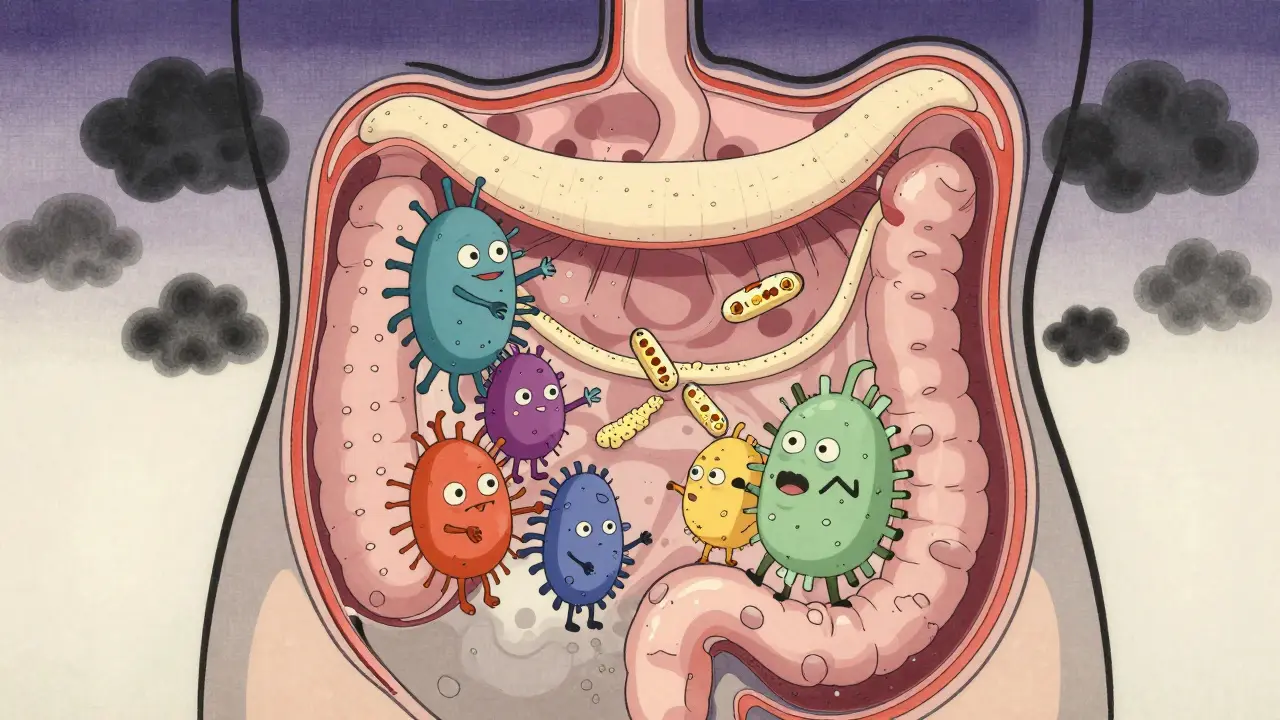
A newer player in the field is the ketogenic diet. Traditionally used for epilepsy and weight loss, recent research has highlighted its potential for autoimmunity. A pivotal study published in Cell Reports in November 2023 by UCSF researchers shed light on why this might work. They found that ketone bodies, specifically beta-hydroxybutyrate (βHB), interact with gut bacteria.
In mouse models of multiple sclerosis, βHB prompted the bacterium Lactobacillus murinus to produce indole lactic acid (ILA). ILA blocked the activation of T helper 17 cells, which are key drivers of autoimmune inflammation. The mice on the ketogenic diet had 40% less severe symptoms. While this is exciting, human trials are still small. The diet is also difficult to maintain, with dropout rates of nearly 40% in clinical settings due to fatigue and social restrictions. If you try this, do so under medical supervision.
Practical Implementation: How to Start
Changing your diet when you’re already managing a chronic illness can feel overwhelming. Don’t try to overhaul everything overnight. Start with the basics that apply to almost all anti-inflammatory patterns:
- Prioritize Fiber: Aim for at least 30 grams daily. Fiber feeds beneficial gut bacteria that produce butyrate, a short-chain fatty acid linked to lower IL-6 levels (a pro-inflammatory marker).
- Cut Added Sugars: Limit added sugar to under 25 grams per day. Sugar spikes insulin and promotes inflammation.
- Add Omega-3s: Eat fatty fish twice a week or consider a high-quality supplement if you don’t eat fish.
- Use Olive Oil: Replace butter or vegetable oils with extra virgin olive oil, which contains polyphenols that inhibit NF-κB signaling pathways.
- Track Symptoms: Keep a simple journal. Note what you eat and how you feel 24 hours later. This helps identify personal triggers.
Expect a learning curve of 4 to 8 weeks. Your body needs time to adjust to new fuel sources. During this period, you might experience temporary fatigue or digestive changes. This is normal. Consistency is more important than perfection.
Navigating Social Situations and Costs
One of the biggest hurdles isn’t the biology; it’s the logistics. A survey by Autoimmune Wellness found that 78% of respondents struggled with navigating social situations while on an anti-inflammatory diet. Dining out becomes a puzzle. You learn to ask questions, bring your own side dishes, or choose restaurants that align with your needs.
Cost is another factor. Whole foods like fresh produce, nuts, and quality fish cost more than processed alternatives. Data from the USDA indicates that a Mediterranean-style diet costs about $50-$75 more per week than a standard American diet. To manage this, buy frozen vegetables (which retain nutrients), purchase dried beans instead of canned, and plan meals ahead to avoid waste. Remember, this is an investment in reducing future healthcare costs related to flare-ups.
When to Seek Professional Help
You shouldn’t navigate this alone. The American College of Lifestyle Medicine recommends working with a registered dietitian, especially one experienced in autoimmune conditions. Why? Because 83% of patients who received professional guidance maintained their dietary changes at 12 months, compared to only 42% who tried to self-manage. A dietitian can help you ensure you’re getting enough nutrients, particularly if you’re on a restrictive diet like AIP or veganism, where deficiencies in Vitamin B12, iron, or calcium are real risks.
Also, never stop or reduce prescribed medications without consulting your doctor. Diet is a complementary tool, not a replacement for medical care. The European League Against Rheumatism (EULAR) notes that while dietary factors may ameliorate symptoms, evidence is insufficient to recommend specific diets as standard standalone care. Use food to support your treatment plan, not replace it.
Can diet cure autoimmune diseases?
No, current scientific evidence does not support the claim that diet alone can cure autoimmune diseases. However, anti-inflammatory eating patterns can significantly reduce symptom severity, lower inflammation markers like CRP, and potentially decrease the need for high doses of medication. It is a management strategy, not a cure.
How long does it take to see results from an anti-inflammatory diet?
Most people notice initial improvements within 4 to 8 weeks. Some, particularly those eliminating specific triggers via the AIP diet, may feel relief sooner. Others may take several months to see significant changes in energy levels or joint pain. Consistency is key during this adaptation period.
Is the Mediterranean diet safe for everyone with autoimmunity?
Generally, yes. The Mediterranean diet is considered safe and sustainable for most people. However, individuals with specific allergies or sensitivities (e.g., to nuts or certain seafood) should adapt the diet accordingly. Always consult your healthcare provider before making major dietary changes.
What foods should I strictly avoid to reduce inflammation?
Focus on limiting processed foods, refined carbohydrates (white bread, pastries), added sugars, trans fats, and excessive saturated fats. These items consistently raise inflammatory markers. Nightshades (tomatoes, peppers, eggplants) are controversial and only need to be avoided if you personally identify them as triggers through an elimination diet like AIP.
Do I need supplements if I follow an anti-inflammatory diet?
It depends on your specific diet and nutritional status. If you follow a vegetarian or vegan diet, Vitamin B12 supplementation is essential. Omega-3 supplements may be helpful if you don’t eat fatty fish regularly. Always get blood tests done to check for deficiencies before starting any supplement regimen.