
Medication Shortage Survival Guide: What to Do When Your Drug Is Out of Stock

Imagine standing at the pharmacy counter, prescription in hand, only to be told that your medication is out of stock. You’re not alone. In recent years, drug shortages have become a frustrating reality for millions of patients and healthcare providers across the United States. According to data from Wolters Kluwer, between 2018 and 2023, nearly 2,000 unique prescription drugs entered national shortage status. More alarmingly, by the end of that period, 75% of those shortages had persisted for over a year.
This isn’t just an inconvenience; it’s a threat to continuity of care. When you can’t get your usual medication, the instinct might be to stop taking treatment entirely or to panic-buy from unreliable sources. Both options carry serious risks. The goal here is simple: keep you safe and treated while navigating this broken system. Let’s walk through exactly what you should do when your drug disappears from the shelves.
Step 1: Verify the Shortage and Check for Alternatives
Before you start calling ten different pharmacies, confirm whether the shortage is widespread or local. The most authoritative source for this information is the FDA Drug Shortage Database, which lists current shortages, reasons for them, and potential alternatives.
Here’s how to use it effectively:
- Search by brand or generic name: Enter your medication into the search bar on the FDA website.
- Check the status: Look for keywords like “Shortage,” “Resolution Expected,” or “Discontinued.”
- Note the reason: Understanding if the issue is manufacturing delays, quality problems, or demand spikes helps set realistic expectations.
- Review suggested alternatives: The FDA often lists therapeutically equivalent drugs that may be available.
If the FDA database doesn’t list your drug, the shortage might be localized to your region or specific manufacturer. In that case, contact your pharmacist directly-they often have access to real-time inventory systems that aren’t public.
Step 2: Talk to Your Doctor About Therapeutic Substitution
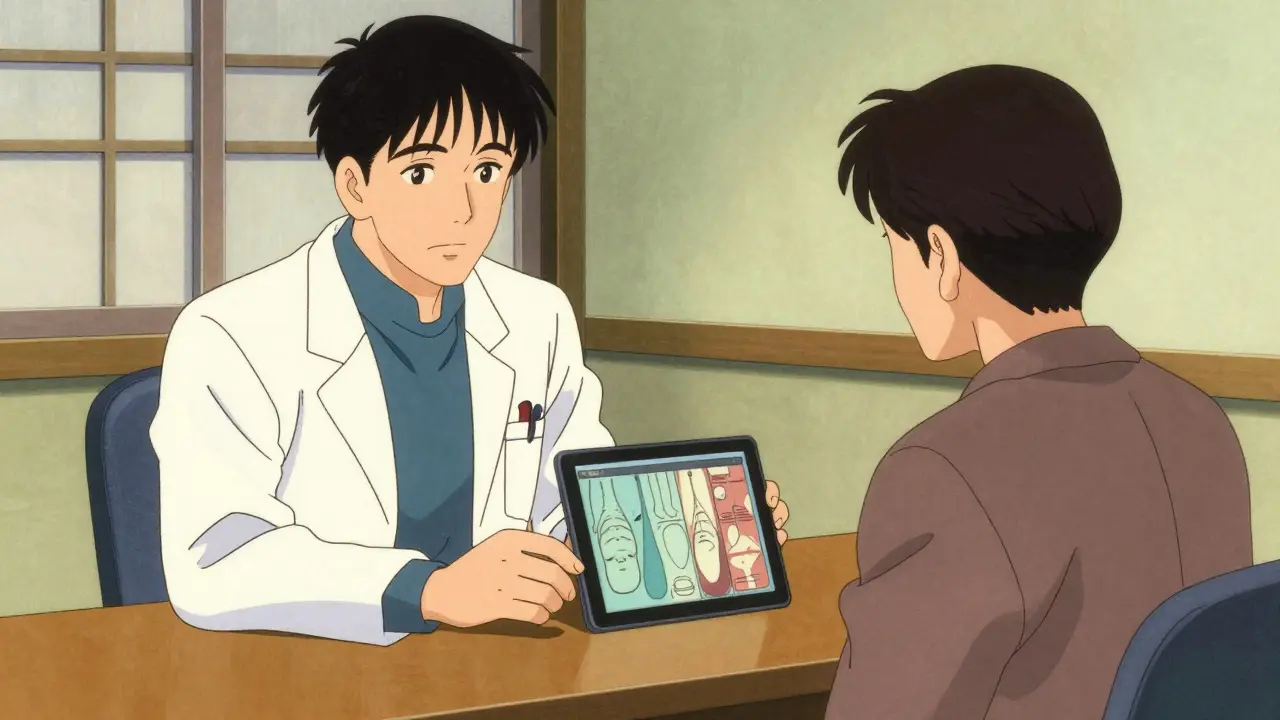
When your prescribed drug is unavailable, your next move is to consult your prescribing physician. This step is critical because switching medications isn’t always as simple as swapping one pill for another. Some drugs have close substitutes, while others require careful dose adjustments or monitoring.
Therapeutic substitution involves replacing a drug with another that treats the same condition but may have a different chemical structure or side effect profile. For example, during amoxicillin shortages, many clinicians switched patients to azithromycin. While effective, azithromycin carries different risks, including antimicrobial resistance concerns and distinct side effects.
Your doctor will consider several factors before making a switch:
- Bioequivalence: Are the alternative and original drugs absorbed similarly by the body?
- Allergies and sensitivities: Could the new drug trigger reactions?
- Dosage equivalence: Does the alternative require a higher or lower dose?
- Insurance coverage: Will your plan cover the substitute without extra authorization?
A study published by CIDRAP found that during alteplase (a clot-busting drug) shortages, hospitals shifted usage patterns significantly. New uses for pulmonary embolism rose from 18.6% in 2020 to 27.9% in 2022 in German hospitals. This shows that even in complex cases, alternatives exist-but they require professional guidance.
Step 3: Navigate Insurance and Formulary Changes
One of the biggest hurdles during a shortage is insurance coverage. Many patients assume their insurer will automatically cover a substitute, but that’s not always true. During the Semglee (insulin glargine) shortage in March 2025, Blue Cross NC updated its formulary to allow Lantus as a direct substitution without a new prescription. However, other insurances required prior authorizations or excluded certain alternatives entirely.
To avoid surprise bills or denied claims:
- Contact your insurer early: Ask specifically about substitution policies for your drug class.
- Request a formulary exception: If the preferred alternative isn’t covered, ask your doctor to submit an appeal explaining medical necessity.
- Check mail-order options: Some insurers offer better coverage through mail-order pharmacies, which may have broader inventories.
- Understand tier changes: A drug moving from Tier 2 to Tier 3 could increase your copay significantly.
In Hawaii, Medicaid adopted a policy in 2025 allowing foreign-approved drugs as alternatives during shortages. This required special FDA waivers under Section 804 of the Federal Food, Drug, and Cosmetic Act. While innovative, such programs are rare and typically limited to specific conditions or regions.
Step 4: Find Available Stock Through Smart Pharmacy Strategies
If no suitable alternative exists, finding actual stock becomes your priority. Here’s where patience and strategy matter most.
First, don’t rely on a single pharmacy. Large chains often share inventory data internally, meaning if one location is out, others likely are too. Instead, try these approaches:
- Call independent pharmacies: Smaller stores sometimes receive shipments that bypass large distribution networks.
- Use specialty pharmacies: For high-cost or complex drugs, specialty pharmacies often maintain separate reserves.
- Leverage state resources: New York proposed legislation creating an online searchable database listing drugs in shortage and identifying specific pharmacies with stock. While not yet universal, similar tools exist in some states.
- Ask about compounding: In rare cases, compounding pharmacies can create custom formulations when commercial products are unavailable.
A user on Reddit reported contacting seven different pharmacies over three days to find Semglee for their child. That level of effort is exhausting but sometimes necessary. To streamline the process, ask each pharmacy if they can place you on a notification list for when the drug arrives.
Step 5: Monitor Side Effects and Treatment Efficacy
Switching medications-even to a therapeutically equivalent alternative-can affect how your body responds. It’s crucial to monitor yourself closely after any change.
Keep track of:
- New symptoms: Headaches, nausea, fatigue, or mood changes could signal intolerance.
- Disease markers: Blood sugar levels, blood pressure readings, or lab results should remain stable.
- Treatment duration: During sarilumab shortages, Dutch databases showed cumulative doses dropping from 84 mg in 2020 to 28 mg in 2023 among new users. Reduced dosing can compromise long-term outcomes.
If you notice significant changes, contact your doctor immediately. Don’t wait for your next scheduled appointment. Early intervention prevents complications and ensures you stay on track with your health goals.
| Drug Class | Common Alternative | Key Considerations | Action Required |
|---|---|---|---|
| Insulin (Semglee) | Lantus | Biosimilar interchangeability varies by insurer | Confirm coverage; no new Rx needed in some plans |
| Antibiotics (Amoxicillin) | Azithromycin | Different side effect profile; resistance risk | Doctor approval required; monitor for GI issues |
| Oncology Agents | Varies by cancer type | High complexity; strict protocols | Oncologist consultation mandatory |
| GLP-1 Weight Loss Drugs | Mail-order generics | Long wait times; insurance restrictions | Explore telehealth clinics with broader formularies |
What Not to Do During a Medication Shortage
It’s just as important to know what to avoid as it is to know what to do. Here are common mistakes that put patients at risk:
- Stopping medication abruptly: Thirty-two percent of patients admitted to prematurely stopping meds during shortages, risking rebound symptoms or worsening conditions.
- Buying from unverified online sellers: Counterfeit drugs pose severe safety hazards. Only use licensed pharmacies verified by the National Association of Boards of Pharmacy (NABP).
- Self-prescribing alternatives: Never swap medications based on internet advice alone. Always involve your healthcare provider.
- Ignoring follow-up appointments: Regular check-ins help catch issues early and adjust treatments proactively.
How long do drug shortages typically last?
According to Wolters Kluwer, 58% of shortages active between 2018 and 2023 lasted two years or longer. The chronic nature of these disruptions means planning for extended periods without your usual medication is essential.
Can pharmacists prescribe alternatives without a doctor?
In most states, pharmacists cannot independently prescribe alternatives. However, New Jersey proposed legislation in 2025 authorizing pharmacists to dispense emergency insulin supplies directly to diabetics during shortages. Similar laws are being debated in other states.
Are generic drugs more prone to shortages?
Yes. Eighty-five percent of generic drugs are produced by just five manufacturers, creating single-point failure risks in the supply chain. This concentration makes generics particularly vulnerable to production delays or quality issues.
What should I do if my insurance denies coverage for an alternative?
Work with your doctor to submit a formulary exception request. Include documentation showing why the alternative is medically necessary and why no other option works. Most insurers review these appeals within 14-30 days.
Is it safe to use foreign-approved drugs as alternatives?
Only if approved through official channels like Hawaii’s 2025 Medicaid program, which requires FDA waivers under Section 804. Self-importing drugs is illegal and dangerous due to lack of quality control and regulatory oversight.